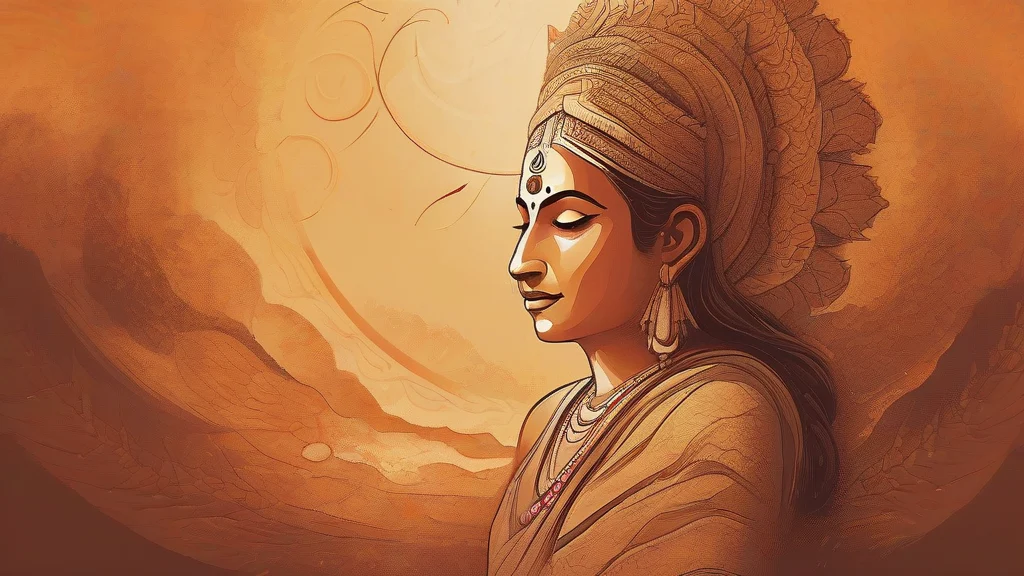
What does moksha mean?
Moksha is a fundamental concept in Hinduism and Jainism, referring to the liberation of the soul from the cycle of birth, death, and rebirth. Achieved through spiritual practices and self-realization, moksha is considered the ultimate goal of spiritual practice. It is often associated with self-realization, enlightenment, and liberation from the cycle of karma. The concept of moksha is central to Hindu and Jain philosophies, and is often seen as a means of achieving freedom from the constraints of the material world. While the idea of moksha may seem abstract, it has practical implications for those seeking to live a more spiritual and meaningful life. By understanding the concept of moksha, individuals can gain a deeper appreciation for the importance of spiritual practice and the potential for personal growth and transformation.
nounIn Hinduism and Jainism, moksha (Sanskrit: मोक्ष) is the liberation of the soul from the cycle of birth, death, and rebirth, achieved through spiritual practices and self-realization.
- Liberation of the soul from the cycle of birth, death, and rebirth
"The guru's teachings helped her attain moksha, freeing her from the cycle of karma."
"The yogi's years of meditation led to his attainment of moksha."
"The concept of moksha is central to Hindu and Jain philosophies."
Reviewed by Deb Chak, Editor. AI-assisted content curated by RJS Tech Solutions LLP.
Etymology of moksha
The word moksha originates from the Sanskrit word मोक्ष (mokṣa), which means 'liberation' or 'release'. This word is derived from the root मुक् (muk), which means 'to free' or 'to release'. The concept of moksha has been an integral part of Hindu and Jain philosophies for centuries, and has been influenced by various cultural and spiritual traditions.
How moksha is actually used
In Hinduism and Jainism, moksha is considered the ultimate goal of spiritual practice. It is often associated with self-realization, enlightenment, and liberation from the cycle of karma.