
What does moorish mean?
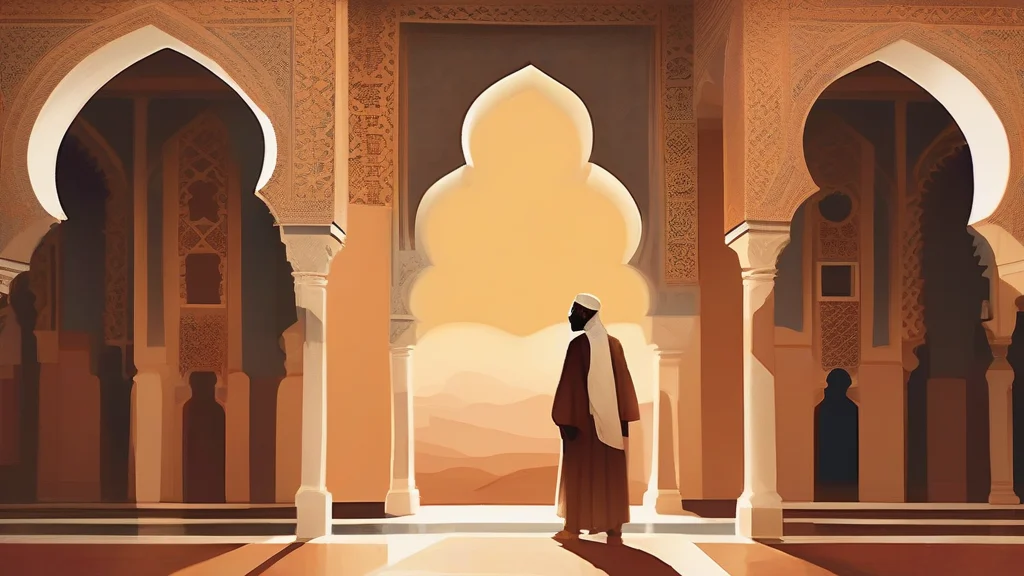
Moorish is an adjective with two broadly distinct uses. In its principal historical sense, it means of or relating to the Moors, the Muslim communities associated with North Africa and medieval Iberia, and it commonly describes the architecture, ornament, and artistic traditions they developed. Moorish architecture is especially associated with the Nasrid palaces of Granada, including the Alhambra, as well as later European revival styles inspired by Islamic decorative art. In older literary English, moorish can also describe terrain that resembles a moor: bleak, open, heather-covered, or uncultivated. This older sense is uncommon in everyday modern usage. The word can sound historical or formal, and modern writers generally capitalize Moorish when referring to a people or culture, though usage varies. It should not be used as a general synonym for Islamic, since Moorish art developed within particular North African and Iberian contexts. Even so, Moorish is a valuable word for recognizing the meeting of Islamic geometry and craft with local materials and building traditions in medieval Iberia. It is also a reminder that architectural styles often carry the names of the communities whose work inspired them.
adjectiveOf or relating to the Moors, the predominantly Muslim peoples of North Africa and medieval Iberia, or to their culture. In older usage, it also means resembling or characteristic of a moor, especially bleak or uncultivated terrain.
- Of or relating to the Moors, their culture, or the artistic traditions associated with medieval North Africa and Iberia.
- Archaic: resembling a moor, especially in being bleak, open, heather-covered, or uncultivated.
"The courtyard's Moorish tilework and slender arches create a striking sense of light and space."
"The museum's collection includes Moorish ceramics, textiles, and architectural fragments."
"Beyond the treeline, the moorish heath stretched beneath a heavy sky."
The Alhambra turns the Moors' name into one of architecture's most recognizable signatures, where Islamic geometry meets Iberian craft.
Reviewed by Deb Chak, Editor. AI-assisted content curated by RJS Tech Solutions LLP.
Where does moorish come from?
Moorish was formed in English from Moor with the adjectival suffix -ish. Moor comes through Old French from Medieval Latin Maurus, a term derived from Greek mauros, meaning "black" or "dark." The English adjective was historically applied to Muslim North Africans and the Muslim communities of medieval Iberia and later came to describe their cultural and artistic characteristics. Related forms include French mauresque and its variant moresque, while Mauritanian derives from the same Latin element Maurus.
Related word forms
How moorish is actually used
When referring to a historical people or cultural tradition, the adjective is normally capitalized: "Moorish." The older landscape sense is uncommon and may sound literary or archaic. The historical term should not be treated as a general synonym for Islamic or North African, since it refers to particular peoples and cultural traditions.
Easily confused with moorish
A moor is an area of open uncultivated land, whereas the older sense of moorish means resembling such terrain; the cultural sense of Moorish relates instead to the historical Moors.
Moreish means so appealing that one wants more of something, while Moorish relates to the Moors or their culture.