
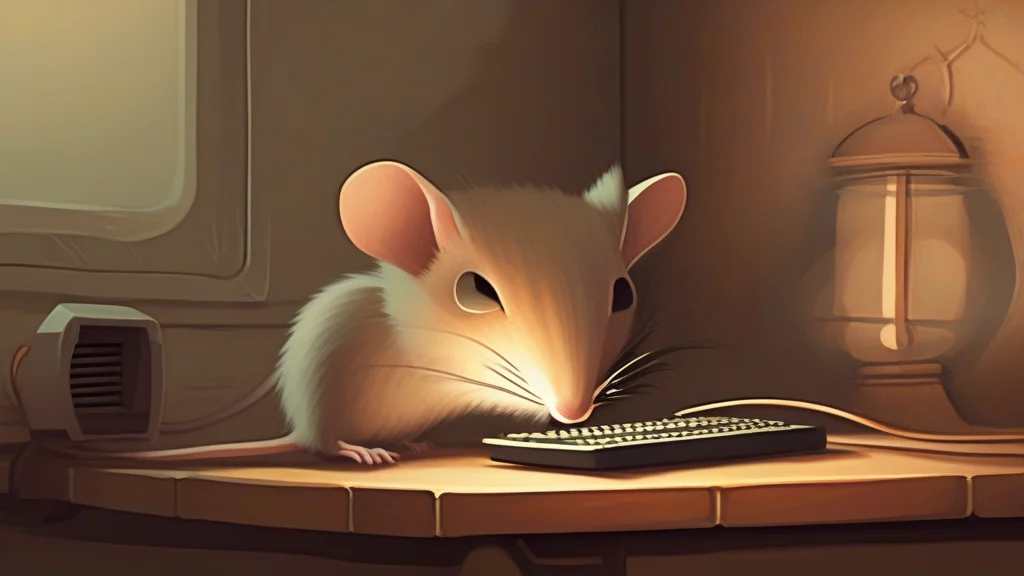
What does mouser mean?
A mouser is chiefly a cat that catches mice, especially one that is skilled and eager to hunt them. The word is often affectionate or admiring, suggesting a cat's alertness, persistence, and usefulness in dealing with household vermin. It can also refer, more formally, to a person who catches mice or makes a living from doing so, although that sense is much less common today. In everyday speech, calling a cat a mouser usually highlights its hunting behavior rather than its identity simply as a feline. The term has a lightly literary quality and can appear in stories, descriptions of household animals, and older written accounts of rat-catching. It remains especially associated with cats, but the broader meaning is not limited to them.
A cat or other animal that catches mice.
"Their tabby had always been a careful mouser."
This is the dominant modern sense.
A person who catches or deals with mice.
"The village hired a mouser to clear the stores of vermin."
This sense is older, formal, and relatively uncommon in everyday modern usage.
The plural is used when referring to more than one animal or person that catches mice.
"Several famous mousers have appeared in stories about the laboratory mouse."
A mouser is not merely a cat with a taste for mice: the word has long honored the animal's exceptional talent as a household hunter.
Reviewed by Deb Chak, Editor. AI-assisted content curated by RJS Tech Solutions LLP.
Etymology of mouser
Mouser is formed in English from mouse and the agent-forming suffix -er, literally meaning “one that catches mice.” The word reflects the longstanding English practice of describing useful hunting cats by the prey they catch. The mouse itself comes through Old English mous from Latin mus, a term that also survives in the taxonomic genus Mus and in Latin musculus, meaning “little mouse.”
How mouser is actually used
In ordinary modern use, a mouser is usually a cat. The sense referring to a person is older and more literary, while the extended sense is sometimes informal.