
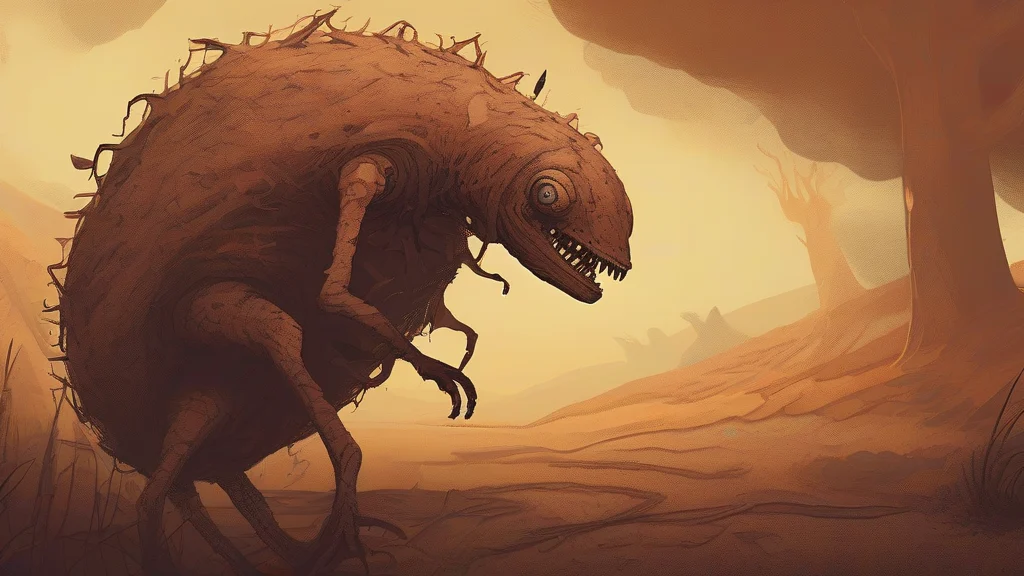
What does mutated mean?
Mutated means changed, altered, or transformed. Its most distinctive use is in biology and genetics, where it describes DNA, genes, cells, organisms, or strains that have undergone a mutation. Such changes may be harmful, beneficial, or neutral, so the word does not by itself imply deterioration. In broader contexts, “mutated” is a somewhat formal way to say that something has developed into a markedly different form, often as a result of gradual change. The word can also be read as the past tense or past participle of “mutate,” as in a virus that mutated under treatment. It is especially useful where the change is significant enough to merit attention but is not necessarily presented as destructive.
Having been changed, transformed, or altered; in biological contexts, having undergone a genetic mutation.
"The treatment caused the virus to become a mutated form."
The biological sense is more specific than the general sense. It is neutral unless the context identifies the mutation as harmful or beneficial.
Past tense and past participle of “mutate”: to undergo a change, especially a change in genetic material.
"The bacteria mutated as a result of the antibiotic."
This form is used with a subject such as “cells,” “genes,” “organisms,” or “viruses.”
A mutated gene can be harmful, harmless, or even beneficial, making mutation one of biology’s most consequential everyday changes.
Reviewed by Deb Chak, Editor. AI-assisted content curated by RJS Tech Solutions LLP.
Where does mutated come from?
The past form and adjective “mutated” derive from “mutate,” which comes from Latin mutare, meaning “to change” or “to alter.” The Latin verb also underlies forms such as “mutation,” “mutable,” and “mutator.” In biological usage, “mutation” became especially prominent as genetics developed, giving “mutated” its modern association with changes to genetic material.
How mutated is actually used
In general use, “mutated” is formal and often suggests a notable or irreversible change. In biological contexts, it specifically refers to a change in genetic material and is commonly used with words such as “gene,” “strain,” “cell,” and “virus.” The form can also function as the past tense and past participle of “mutate.”
Easily confused with mutated
Mutated describes something that has undergone a change, especially a genetic change, while mutant commonly refers to an organism or form carrying one or more mutations.