
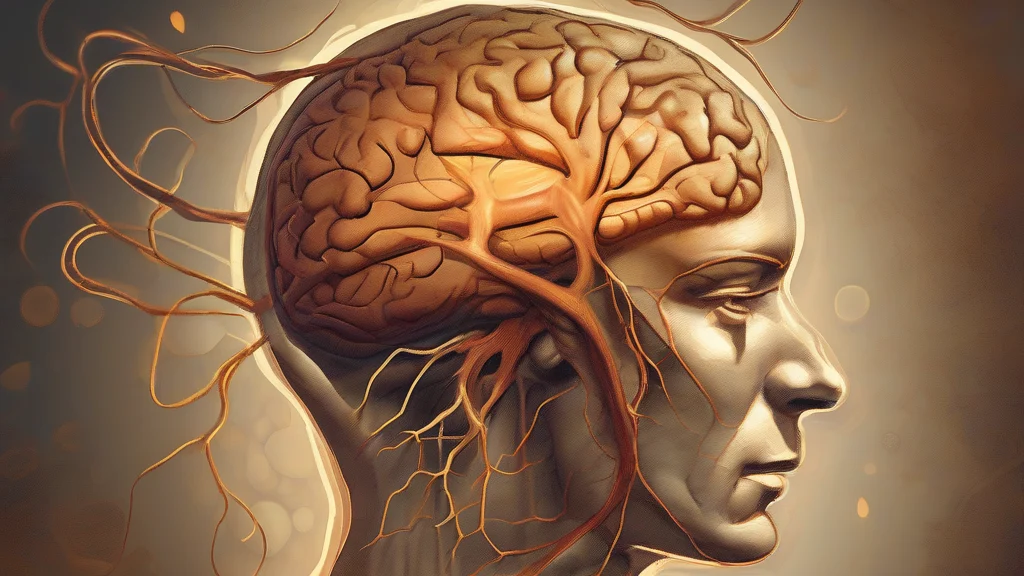
What does neurophysiology mean?
Neurophysiology is the scientific study of how the nervous system functions. It brings together physiology, biology, anatomy, and related fields to examine the activity of neurons and neural circuits, including how signals are generated, transmitted, and integrated. Researchers in this field may study sensory processing, motor control, reflexes, learning, and the biological basis of behaviour. The subject has important clinical applications, particularly in diagnosing conditions involving nerves, muscles, the brain, and the spinal cord. Neurophysiology is also used in basic research to understand how biological systems convert electrical and chemical activity into observable functions. As a term, it is formal and belongs primarily to academic, medical, and scientific contexts. The related adjective neurophysiological describes experiments, principles, findings, or methods connected with the discipline, while neurophysiologically indicates an action performed in relation to it.
nounNeurophysiology is the branch of physiology concerned with the functions of the nervous system, including how nerve cells and neural circuits produce behaviour, movement, sensation, and other biological responses.
- The branch of physiology that studies the functions of the nervous system.
"The research laboratory uses neurophysiology to study how nerve cells communicate."
"A course in neurophysiology examines how neurons process sensory information."
"Clinical neurophysiology is used to assess nerve and muscle function through specialized tests."
The plural is rare; in ordinary academic prose, neurophysiology is generally treated as an uncountable field of study.
"The authors compare neurophysiologies of different sensory systems across species."
Neurophysiology asks how electrical nerve activity becomes movement, sensation, thought, and behaviour.
Reviewed by Deb Chak, Editor. AI-assisted content curated by RJS Tech Solutions LLP.
Where does neurophysiology come from?
The prefix neuro- comes from Greek neuron, meaning “nerve” or “neuron,” and physiology derives through Latin from Greek physis, meaning “nature,” combined with Greek -logia, meaning “study of.” The compound neurophysiology became established in modern scientific usage for the physiological study of the nervous system. It shares its elements with words such as neuron, neurology, and physiology, all of which developed within the Greek vocabulary of nerve science and biological study.
Related word forms
How neurophysiology is actually used
A formal scientific and medical term. It is usually treated as an uncountable field of study, though the plural can distinguish different physiological approaches or systems.
Easily confused with neurophysiology
Neurophysiology studies how the nervous system functions, whereas neurology is the medical branch concerned with diagnosing and treating nervous-system disorders.
Neurophysiology focuses on the biological and physiological mechanisms of nervous-system activity, while neuropsychology focuses on relationships between brain function and cognition or behaviour.