
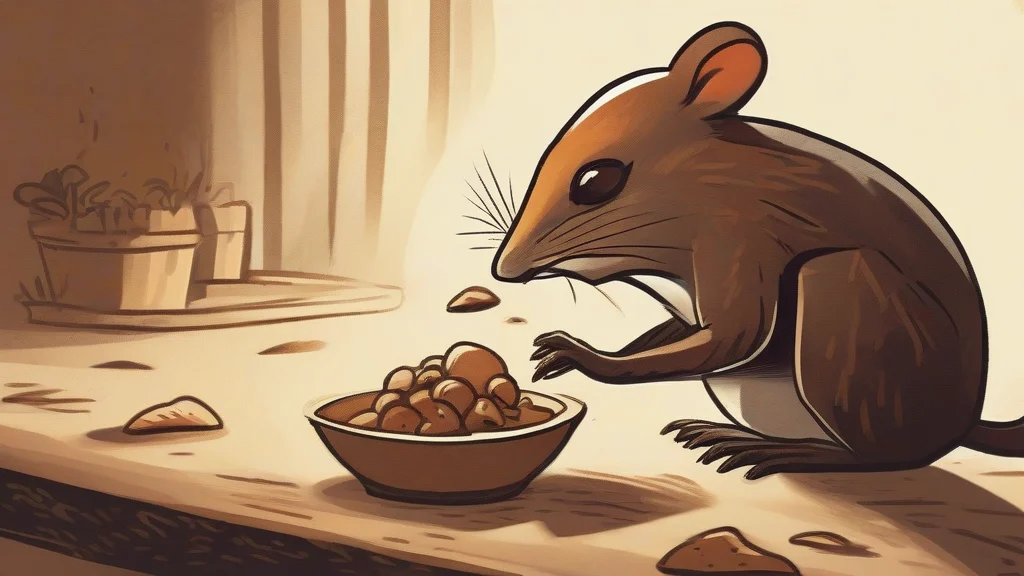
What does nibbler mean?
A nibbler is someone or something that takes small, light, or cautious bites. The word is especially common for children, animals, and people who eat only a little at a time, but it can also describe any creature that gnaws or samples food. Its tone is usually informal and often gently affectionate: calling a child a nibbler suggests a small appetite or playful habit rather than a serious fault. In other contexts, “nibbler” can refer to a fish or other animal that repeatedly takes bait without being caught. The word is derived from the action of nibbling, so it emphasizes the manner of eating rather than the quantity consumed. It is a useful term when the important point is that bites are small, tentative, or repetitive.
A person or animal that takes small or repeated bites, especially of food.
"The rabbit was a timid nibbler, retreating whenever the garden was disturbed."
Commonly informal; often affectionate or gently humorous.
A person or animal that gnaws or takes tentative bites, especially at bait.
"The fishermen blamed the small nibbler for the missing bait."
Less common sense, particularly in fishing, hunting, or descriptions of animal behavior.
The regular plural is used for multiple people or animals that nibble.
"Several cautious nibblers gathered around the fallen seeds."
A nibbler is more than a small eater: it suggests a creature that samples, gnaws, or takes cautious little bites.
Reviewed by Deb Chak, Editor. AI-assisted content curated by RJS Tech Solutions LLP.
Where does nibbler come from?
“Nibbler” is a derivative of “nibble,” a word formed in the 16th century and related in meaning to the action of taking small bites or gnawing. “Nibble” is associated with “nib,” the pointed part of a pen or similar tool, and with the idea of small, repeated biting. The agent suffix “-er” forms “nibbler,” meaning one who nibbles. The word is used in both British and American English.
Related word forms
How nibbler is actually used
Usually informal and mildly descriptive. It can sound affectionate when referring to a child or animal, and mildly disparaging when describing someone who eats only small amounts.