
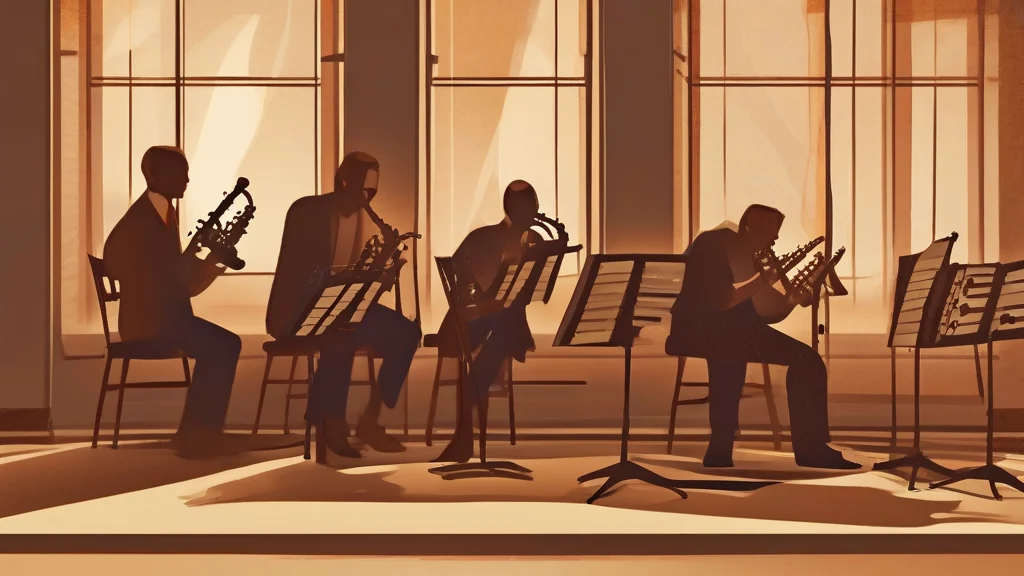
What does oboe mean?
An oboe is a double-reed woodwind instrument known for its distinctive, penetrating tone. The player blows through a small reed that vibrates against another reed, producing a sound controlled by fingering, embouchure, and breath. Its range extends from about two and a half octaves, and it is valued for both melody and expressive color in orchestras, bands, and chamber music. The oboe is also used in folk and traditional music in various regions, including European traditions, Indian classical music, and Middle and South American practices. In an orchestra, the oboe often serves as a tuning reference because its A is relatively stable and distinct. The instrument's name comes through French from the Italian oboe, ultimately reflecting the French hautbois, meaning “high wood.”
nounA double-reed woodwind instrument with a conical bore, a penetrating tone, and a range of about two and a half octaves. It is commonly used in orchestras, bands, and chamber music.
- A double-reed woodwind instrument of the orchestral woodwind family.
"The oboe's piercing sound cut clearly through the orchestra."
"She began studying the oboe at the conservatory."
"An oboe solo introduced the movement with a bright, piercing melody."
The standard plural is oboes.
"Two oboes played the opening phrase together."
The oboe's name means “high wood,” a reference to its high, reedy tone and its early association with woodwind instruments.
Reviewed by Deb Chak, Editor. AI-assisted content curated by RJS Tech Solutions LLP.
Where does oboe come from?
The English word oboe was borrowed from French oboe, an alteration of hautbois, literally “high wood.” The French term referred to the instrument's high-pitched character and was influenced by Italian oboe. The same root appears in related forms such as hautbois and haut-bois, while the modern spelling oboe reflects the French form that became established in English.
Related word forms
How oboe is actually used
The word is standard in orchestral, band, and musical contexts. Its sound is often characterized as penetrating, nasal, or reedy, although these descriptions can depend on the performer, instrument, and musical setting.