
What does oboist mean?
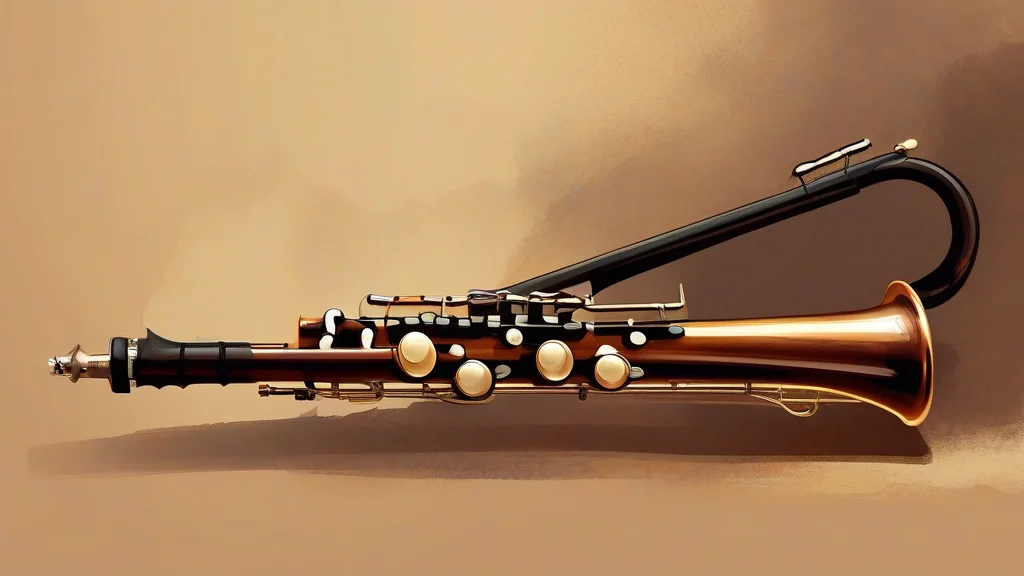
An oboist is a musician who plays the oboe, a double-reed woodwind instrument known for its clear, penetrating tone. Oboists are found in orchestras, chamber groups, bands, conservatories, and other musical settings, and they may perform both ensemble parts and demanding solos. The word is formed from “oboe” plus the suffix “-ist,” which identifies a person who plays or practices a particular instrument or activity. In ordinary conversation, “oboe player” is widely understood, while “oboist” is especially common among professional musicians and orchestral administrators. Because the oboe’s timbre can sound forceful and nasal, the role is often associated with precision, projection, and a distinctive voice within the ensemble. The term should not be confused with “oboe,” which names the instrument rather than the performer.
nounAn oboist is a musician who plays the oboe, a woodwind instrument with a double reed and a penetrating, nasal tone.
- A musician who plays the oboe.
"The oboist tuned carefully before the orchestra began the rehearsal."
"The young oboist won a place in the national youth orchestra."
"Her oboist gave a warm, expressive performance of the solo."
The standard plural refers to musicians who play the oboe.
"The two oboists rehearsed their passages separately before the section meeting."
The oboe's piercing double-reed tone can cut through an entire orchestra, giving the oboist an unmistakable role.
Reviewed by Deb Chak, Editor. AI-assisted content curated by RJS Tech Solutions LLP.
Where does oboist come from?
“Oboist” was formed in the 19th century from “oboe,” a word borrowed from French, plus the occupational suffix “-ist.” The French word itself came from Italian oboe, ultimately from a wider European tradition drawing on the Arabic term for a reed pipe. The compound meaning of “oboe player” follows the established pattern of instrument names plus “-ist,” as in “violinist” and “cellist.”
Related word forms
How oboist is actually used
The term is formal but standard in orchestral, conservatory, and musical contexts. When referring to the instrument and its player together, “oboe and oboist” is common.
Easily confused with oboist
An oboe is the instrument itself, while an oboist is the musician who plays it.