
What does occupy mean?
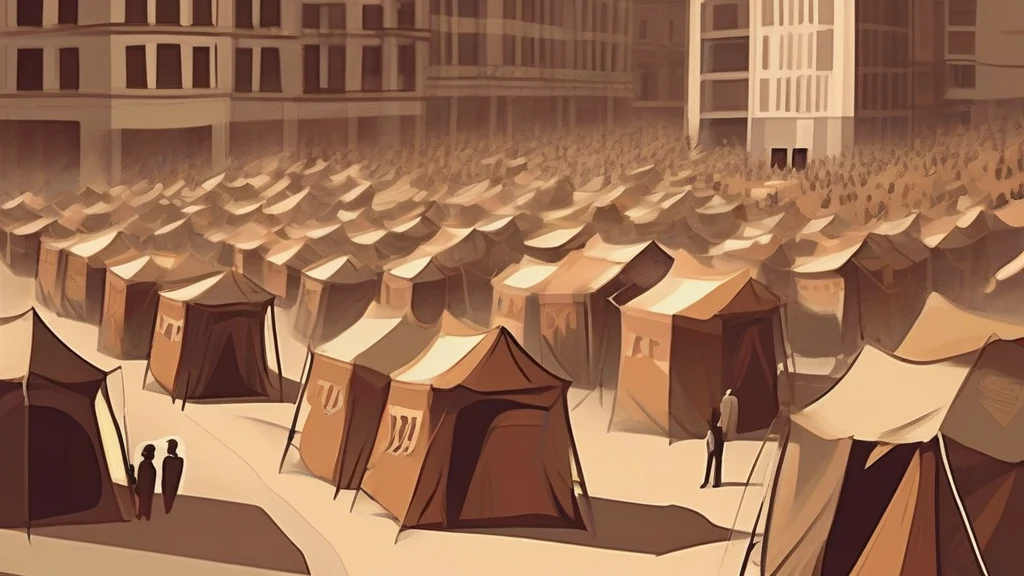
Occupy is a versatile verb meaning to fill or take up space, time, a position, or a person’s attention. A large installation may occupy a room, a journey may occupy an entire day, and a compelling story may occupy a reader’s attention for hours. The word can also describe holding a role or position, as when someone occupies an important place in an organization. In a more forceful sense, an army occupies territory, meaning it takes control and maintains a presence there. In ordinary contexts, occupy is usually neutral, though it can imply a substantial or complete use of something: a task may occupy a whole morning or a person may be occupied with work. Its usefulness lies in its ability to describe both physical and figurative control of space, time, attention, and status.
verbTo fill, take up, or use a place, space, or time. It can also mean to take control of a place, engage someone’s attention, or keep someone busy.
- To take up or fill a space, position, or amount of time.
- To hold or be in a particular position, role, or situation.
- To engage someone’s attention or keep someone busy.
- To take control of a place, especially in a military context.
- To live or do business in a building or place, making it unavailable to others.
"The new installation occupies a prominent position in the entrance hall."
"The conference occupies the entire second floor."
"Her research occupied him for most of the evening."
From Latin occupare, “occupy” literally meant to take possession of something—and the word still carries that sense of taking and holding space.
Reviewed by Deb Chak, Editor. AI-assisted content curated by RJS Tech Solutions LLP.
Where does occupy come from?
The English word comes from Latin occupare, meaning “to take possession of” or “to occupy.” It was formed from ob-, a prefix indicating “against” or “in place of,” and capere, meaning “to take.” The word entered English through Old French, and its relatives include occupation and occupant. Its connection with taking and holding has remained central to its modern meanings.
Related word forms
How occupy is actually used
The word is neutral in general use. In military contexts, it can mean to seize and hold territory; in everyday contexts, it often describes the use of time, space, attention, or a person’s activity. The phrase “be occupied with” is common but should not be confused with “be preoccupied by,” which implies persistent distraction.
Easily confused with occupy
Occupy can mean to use a space or hold a position, whereas employ usually means to hire someone or give someone work.
Occupy means to fill or hold a place or role, while preoccupy means to occupy someone’s thoughts in an especially distracting way.