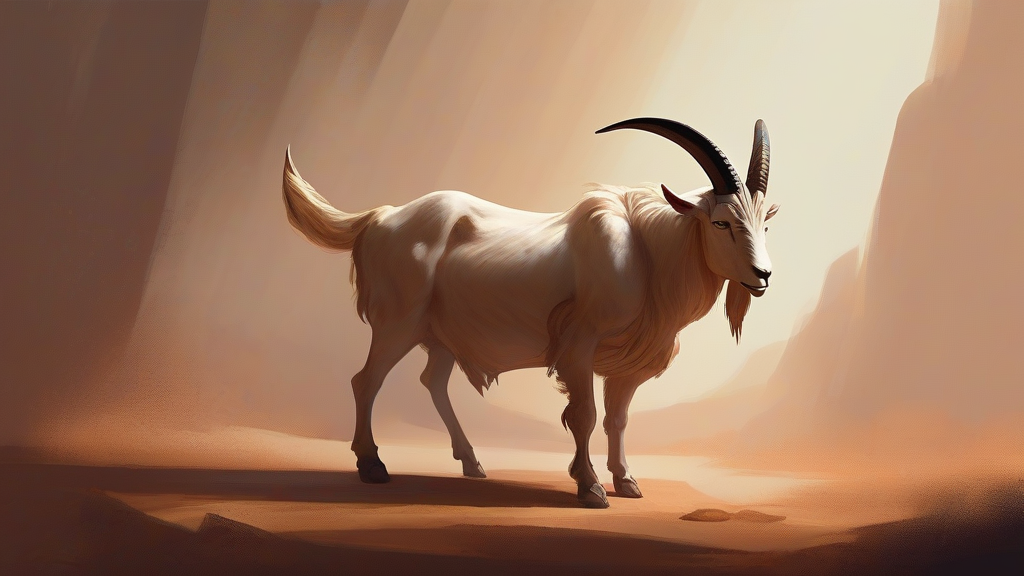
What does onocentaur mean?
The onocentaur is a mythological creature with the upper body of a man and the lower body of a goat, often depicted as wise and powerful. It originated in Greek mythology and was later featured in medieval bestiaries as a symbol of lust and bestiality. The onocentaur has also been used in literature and art to represent the struggle between human and animal nature. Its relatively rare usage is mostly confined to literary or mythological contexts, making it a unique and interesting term for those interested in mythology and folklore.
nounA mythological creature with the body of a man and the legs and horns of a goat.
- A creature from Greek mythology
- A figure in medieval bestiaries
"The onocentaur was said to possess great wisdom and was often sought out for guidance."
"The onocentaur was depicted in ancient art as a wise and powerful being."
"In medieval times, the onocentaur was often used as a symbol of lust and bestiality."
The plural form is used when referring to multiple creatures of this type.
"The mythological forest was said to be inhabited by many onocentaurs."
Reviewed by Deb Chak, Editor. AI-assisted content curated by RJS Tech Solutions LLP.
Etymology of onocentaur
The term onocentaur is derived from the Greek words 'onós', meaning 'ass', and 'kentauros', meaning 'centaur'. The onocentaur has its roots in Greek mythology, where it was often depicted as a wise and powerful creature. The concept of the onocentaur has evolved over time, influencing medieval bestiaries and modern literary works.
How onocentaur is actually used
The term onocentaur is relatively rare and mostly used in literary or mythological contexts.