
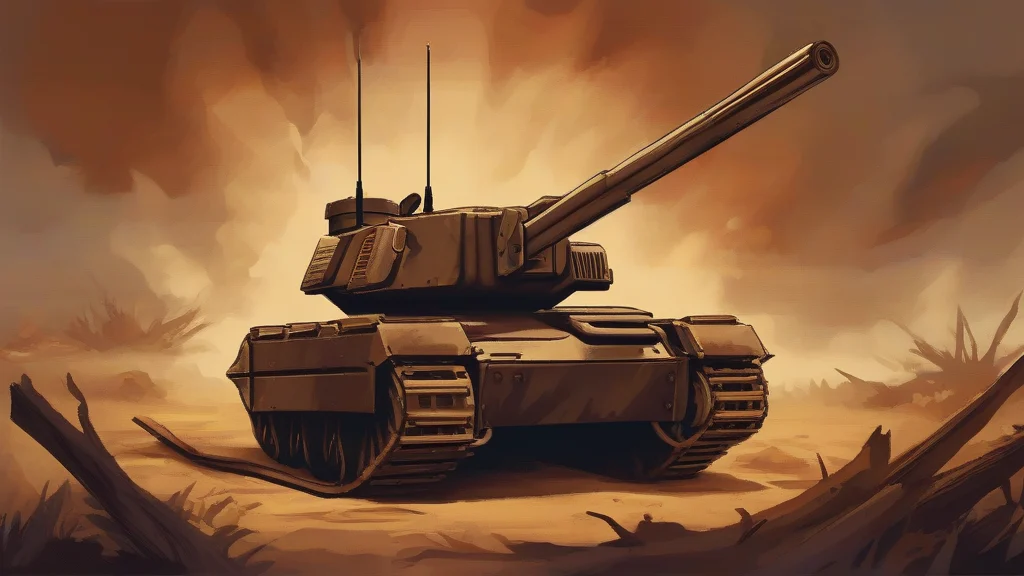
What does ordnance mean?
Ordnance is a formal military term for weapons, artillery, ammunition, and related equipment considered collectively. In contemporary usage, it commonly refers to the material resources used by armed forces, as in phrases such as naval ordnance and heavy ordnance. Historically, especially in Britain, the word also named the government department responsible for artillery and military equipment. The term has a technical and institutional tone and is less common in everyday speech than more general words such as weapons or equipment. It is often confused with ordinance, which instead means a law or rule, but the two words developed from the same Latin root, meaning to arrange or put in order. Knowing ordnance is useful when reading military history, defense policy, or descriptions of warfare, where it conveys the broader idea of a force's weapons and material resources rather than one particular item.
nounMilitary weapons, artillery, ammunition, and other equipment considered collectively. In British historical and administrative usage, it also refers to the military department responsible for artillery and military equipment.
- Military weapons, artillery, ammunition, and other equipment considered collectively.
- The military department or branch responsible for artillery, weapons, ammunition, and other equipment.
"The factory was producing ordnance for the army throughout the war."
"The convoy carried additional ordnance and spare parts for the coastal artillery."
"The history of the Ordnance Department records the development of Britain's artillery and weapons systems."
The word is normally used as a mass or collective noun, especially when referring to military weapons and equipment as a whole.
"The fort was equipped with heavy ordnance."
Ordnance can mean the entire military arsenal of a nation, from artillery pieces to the ammunition that feeds them.
Reviewed by Deb Chak, Editor. AI-assisted content curated by RJS Tech Solutions LLP.
Where does ordnance come from?
Ordnance entered English in the early 17th century through Old French ordonnance, meaning an arrangement or regulation. That word came from Latin ordinare, “to arrange, set in order,” and ordinantia, an arrangement or rule. In English, the word developed from the general sense of arrangement or organization into a specialized military sense for weapons and equipment, while ordinance retained more strongly its association with rules and regulations.
How ordnance is actually used
This is a formal, technical, and chiefly military term. It is usually treated as a mass or collective noun, especially when referring to weapons and equipment as a whole; in some historical British contexts, it names the responsible military department. It should not be confused with an ordinance, which is a law or rule.
Easily confused with ordnance
Ordnance means military weapons and equipment, whereas an ordinance is a law, rule, or authoritative instruction.