
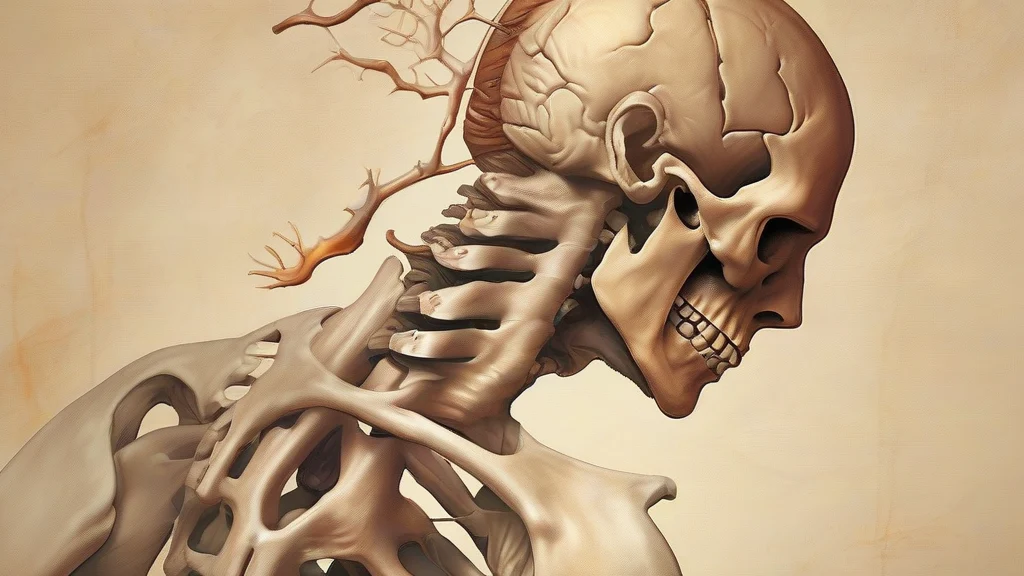
What does orthopedics mean?
Orthopedics is the branch of medicine concerned with diagnosing and treating disorders of the musculoskeletal system, including problems affecting bones, joints, muscles, ligaments, and tendons. The specialty is especially associated with the correction of deformities and with surgery, although orthopedists also provide non-surgical care, diagnosis, rehabilitation, and prevention. The term commonly appears in phrases referring to orthopedic surgeons, orthopedic surgery, and pediatric or sports-medicine care. Its associations are largely professional and neutral, but the word often conveys the practical importance of restoring movement, reducing pain, and helping people regain normal function. In general use, orthopedics denotes both a broad medical field and, less formally, the specialist surgical work within that field. Knowing the word helps distinguish the treatment of structural and movement-related problems from specialties focused primarily on the heart, nerves, skin, or internal organs.
nounThe branch of medicine concerned with diagnosing and treating disorders and injuries of the musculoskeletal system, especially the bones, joints, muscles, ligaments, and tendons. It also includes the surgical correction of deformity and the management of problems that impair movement or function.
- The medical field concerned with the diagnosis, treatment, and prevention of musculoskeletal disorders and injuries, including the correction of deformity and the surgical treatment of bones and joints.
"The surgeon specialized in orthopedics, focusing on the treatment of complex spinal deformities."
"She specialized in orthopedics after completing a fellowship in pediatric surgery."
"The hospital's department of orthopedics has expanded its joint-replacement services."
The form remains orthopedics in the plural but is generally treated as a singular field in constructions such as "orthopedics is."
"Orthopedics is the field responsible for treating many serious injuries to the bones and joints."
From Greek words associated with straightness and education, orthopedics grew into the specialty that helps people stand, move, and function again.
Reviewed by Deb Chak, Editor. AI-assisted content curated by RJS Tech Solutions LLP.
Where does orthopedics come from?
The English word dates from the 19th century and was formed from orthopedic with the suffix -ics; the adjective orthopedic was already in use in the 17th century. Its deeper roots are Greek orthos, meaning "straight" or "correct," and paideia, meaning "training" or "education." The word originally developed around the correction of bodily deformities, especially in children, before expanding to denote the modern medical field concerned with bones, joints, and movement.
Related word forms
How orthopedics is actually used
A specialist medical term, usually used in a professional or academic register. Outside healthcare, it is sometimes shortened informally to "ortho."
Easily confused with orthopedics
Orthopaedics and orthopedics have the same meaning; orthopaedics is the traditional spelling used in British and Commonwealth English, while orthopedics is standard in American English.