
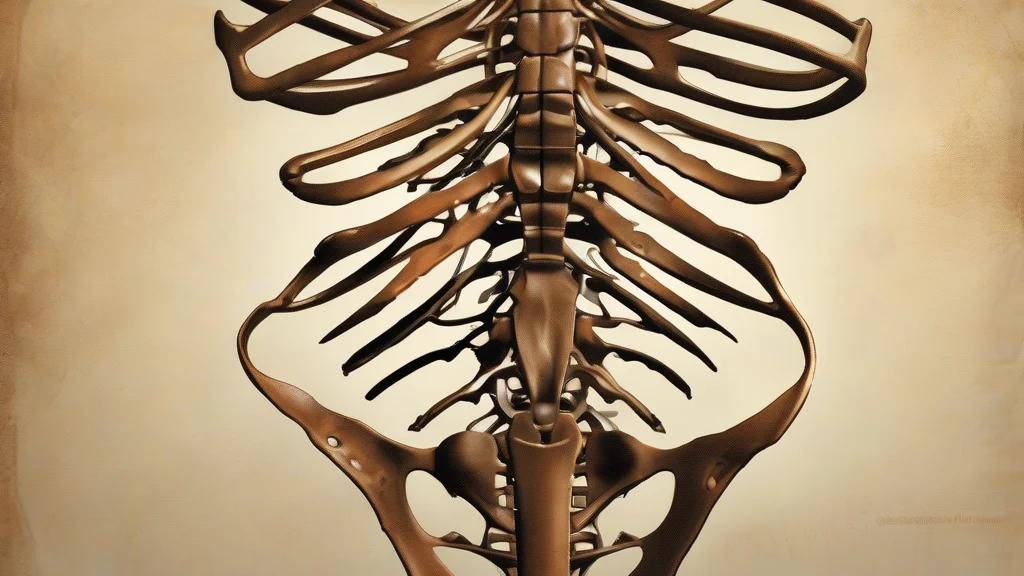
What does orthopaedic mean?
Orthopaedic is an adjective meaning connected with the medical treatment of bones, joints, muscles, tendons, ligaments, and related structures. It is especially common in phrases such as orthopaedic surgery, orthopaedic treatment, and orthopaedic specialist, where it describes procedures or care intended to repair injuries, correct deformities, or manage disorders of the musculoskeletal system. The word is widely used in British English, while orthopedic is the more usual spelling in American English. Its name reflects the branch’s historical beginnings: orthopaedics developed from Greek roots associated with straightness or correctness and children, reflecting an early emphasis on treating skeletal deformities in young patients. Today the field includes the diagnosis and treatment of fractures, joint diseases, sports injuries, spinal problems, and many other conditions affecting movement and physical function. The term is formal and technical, though it is common in hospitals, healthcare systems, and general reporting on medical treatment.
adjectiveRelating to orthopaedics, the branch of medicine concerned with the diagnosis, treatment, and prevention of disorders and injuries involving the bones, joints, muscles, ligaments, and related structures. The word is also used to describe treatment or surgery intended to correct physical deformities or musculoskeletal problems.
- Relating to the branch of medicine concerned with bones, joints, muscles, ligaments, and the correction or treatment of musculoskeletal injuries and deformities.
- In British usage, especially in compounds such as orthopaedic surgery, referring to surgery or treatment intended to correct a deformity, injury, or impairment of the musculoskeletal system.
"The patient underwent orthopaedic surgery to repair a torn ligament."
"She was referred to an orthopaedic specialist after the injury."
"The hospital has expanded its orthopaedic facilities to include advanced joint-replacement surgery."
The word orthopaedic comes from Greek roots meaning “straight” and “child,” reflecting the branch’s early focus on correcting children’s deformities.
Reviewed by Deb Chak, Editor. AI-assisted content curated by RJS Tech Solutions LLP.
Where does orthopaedic come from?
Orthopaedic ultimately comes from Greek orthos, meaning “straight,” “correct,” or “upright,” combined with roots associated with pais or paideia, meaning “child” or “education.” The combination was initially associated with the correction of physical deformities, especially in children. English adopted the term in the medical vocabulary of the 19th century, and the adjective developed alongside the established noun orthopaedics.
Related word forms
How orthopaedic is actually used
Orthopaedic is especially common in British English, although it is also understood in American English, where orthopedic is more usual. In modern medical usage, the term generally encompasses the treatment of bones, joints, muscles, tendons, and ligaments, not only the correction of childhood deformities.
Easily confused with orthopaedic
Orthopaedic is the usual British spelling, while orthopedic is the usual American spelling; both refer to the medical specialty dealing with bones, joints, muscles, and related structures.