
What does outflanked mean?
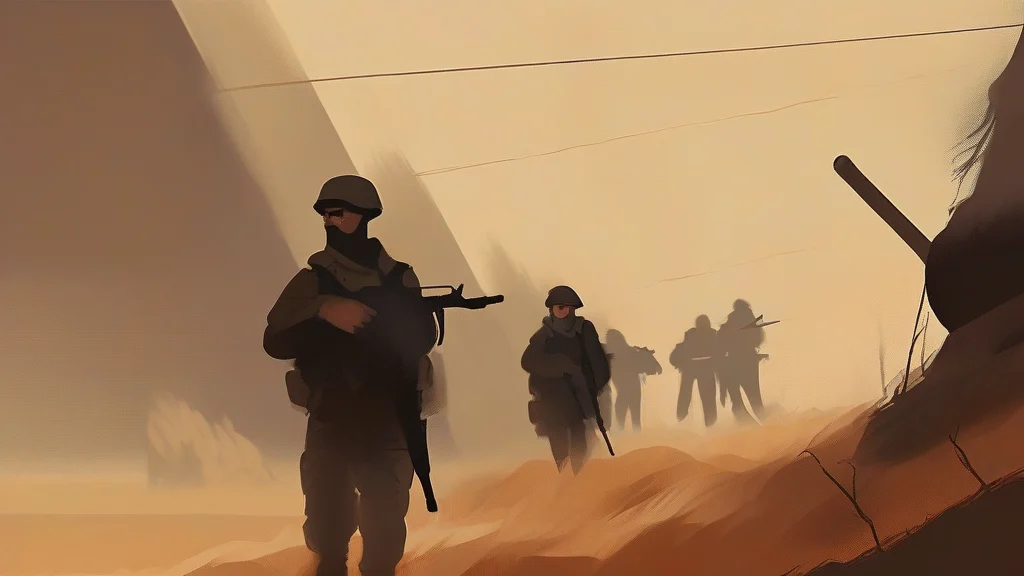
“Outflanked” is the past tense and past participle of “outflank,” meaning to get around the side of an opposing force or, figuratively, to gain an advantage by going around someone else’s defenses or strategy. Its literal military use describes troops or vehicles moving beyond an opponent’s flank so they can attack from the side or rear. Figuratively, it applies when a person, team, or argument is circumvented through an unexpected maneuver or a point the opponent has failed to cover. The word conveys a tactical disadvantage for the person being outflanked: their position or reasoning has been bypassed, leaving them vulnerable. It is common in writing about warfare, sports, business competition, politics, and debate. As a past-tense form, it is especially useful in sentences describing a completed maneuver or a situation in which someone has already been strategically circumvented.
verb (past tense)To get past or around someone or something by moving along its side, especially in a military maneuver. In a broader figurative sense, to gain an advantage over someone by going around their defenses, position, or arguments.
- To move around the side or rear of opposing forces or an obstacle in order to gain an advantageous position.
- To gain an advantage over someone by circumventing their defenses, strategy, or arguments.
"The defenders were outflanked by troops advancing through the wooded ravine."
"The cavalry outflanked the opposing line and attacked it from the rear."
"The lawyer was outflanked by a question the witness had not anticipated."
To outflank someone is to move around their strongest point and attack from an unexpected direction.
Reviewed by Deb Chak, Editor. AI-assisted content curated by RJS Tech Solutions LLP.
Where does outflanked come from?
The word comes from the English verb “flank,” which means to stand or move at the side of something and ultimately comes from the Latin “flancus,” meaning “flank” or “side.” Adding the prefix “out-” creates the idea of moving beyond or around the side of an opposing force. The related words “flanker” and “flanket” share this inherited sense of a side position, while modern military and figurative uses developed from the idea of attacking from the side.
Related word forms
How outflanked is actually used
The word is commonly used in military descriptions and in figurative contexts involving strategy, competition, or debate. It is usually transitive and appears in the past tense or past participle because “outflanked” is the inflected form given here.
Easily confused with outflanked
“Outflanked” is the past tense and past participle of “outflank,” while “outflank” is the base form used in infinitives and present-tense constructions.
“Outflank” means to get around or beyond something, whereas “flank” means to be positioned at the side of something or to provide a side position.