
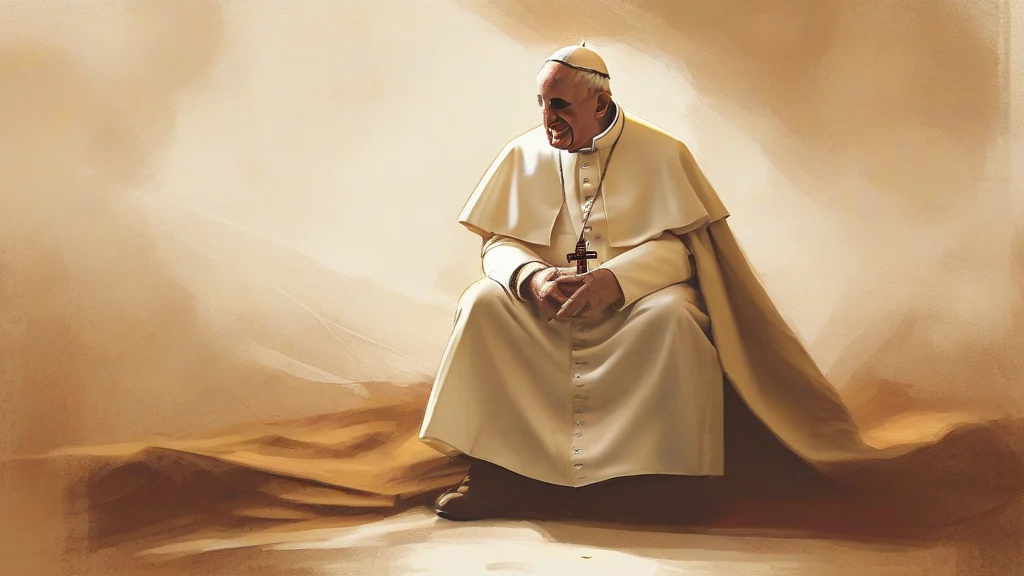
What does papal mean?
Papal is an adjective meaning of or relating to the pope or the papacy. It is most often used in religious, historical, and institutional contexts: papal bulls, crosses, tiaras, audiences, and palaces. The term describes matters connected specifically with the pope or papal authority rather than Catholic worship or doctrine in general. For example, a papal bull is a formal document issued by a pope, while a papal cross is a staff associated with the papal office. Although “papal” is neutral and widely used, it can acquire political or historical overtones when discussing Church authority, reform, or the Crusades. It belongs especially to formal English and is common in both British and American usage. Knowing it helps distinguish documents and institutions associated with the pope from those belonging more broadly to the Roman Catholic Church, the papacy, or the wider Christian Church.
adjectiveOf or relating to the pope or the papacy.
- Of or relating to the pope or the papacy.
"The museum's collection includes several papal bulls issued during the sixteenth century."
"The Vatican announced the schedule for the papal audience."
"The scholar spent several years studying papal bulls and other documents issued by medieval popes."
A “papal bull” is a formal decree from a pope—despite the animal in its name.
Reviewed by Deb Chak, Editor. AI-assisted content curated by RJS Tech Solutions LLP.
Where does papal come from?
Papal entered English from Medieval Latin papalis, meaning “of the pope or papacy.” Its source is Latin papa, “pope,” a term borrowed from Greek pappas, a title used for a bishop or priest. The English adjective was in use by the 16th century, alongside related forms such as pope and papacy.
Related word forms
How papal is actually used
The term is standard in religious, historical, and institutional English. It is usually neutral, although discussions of papal authority, reform, or church politics may give it political and historical associations.