
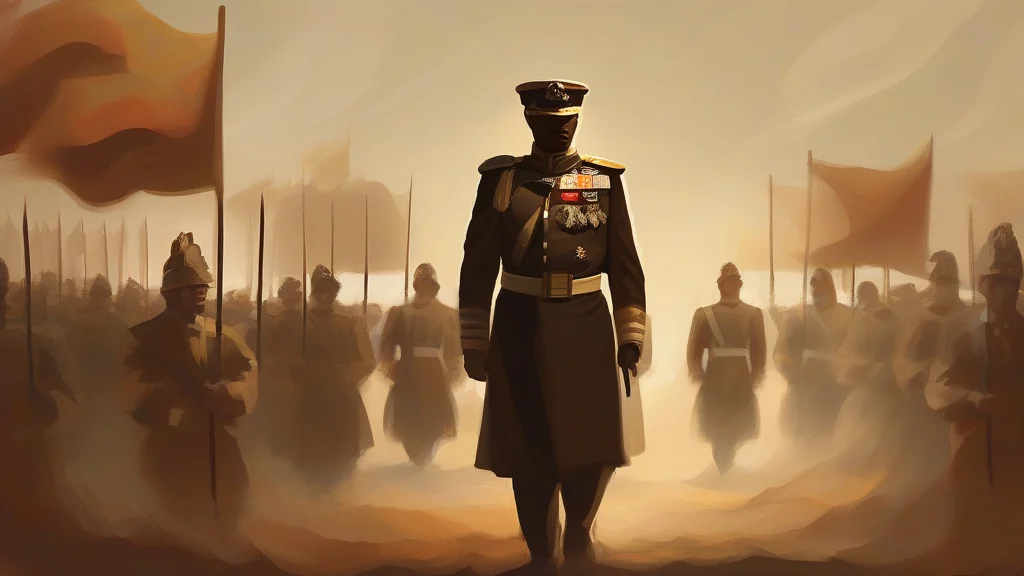
What does parader mean?
A parader is a person who participates in a parade, such as a marcher, performer, dignitary, or other member of an organized procession. The term focuses on the person's role within the event and can therefore be applied more broadly than marcher, which may suggest someone walking in formation. A parader might appear in a civic celebration, military ceremony, festival, or other public procession. The word is not especially formal, but it is also less familiar and less frequent than parade itself. It is most useful when an individual participant needs to be identified without implying that the person is a professional performer or ordinary pedestrian. In reported writing, the noun can distinguish parade participants from spectators, organizers, or officials. Although the headword can be understood across British and American English, it is not a common everyday term.
nounA person who takes part in a parade, especially a procession or ceremonial event organized for public viewing.
- A person who participates in a parade or ceremonial procession.
"Each parader paused briefly before continuing along the route."
"The young parader led the procession through the town square."
"Organizers asked every parader to arrive at the staging area before noon."
The regular plural is used when referring to multiple people participating in one or more parades.
"The two paraders walked at the front of the procession."
A parader is not merely someone who marches: the word specifically places the person within the public spectacle of a parade.
Reviewed by Deb Chak, Editor. AI-assisted content curated by RJS Tech Solutions LLP.
Etymology of parader
The word parader was formed in English by adding the agentive suffix -er to parade. Parade itself was borrowed from French parade, which developed from Spanish parada, meaning a stopping place or gathering, from the verb parar, 'to stop', ultimately related to Latin parare, 'to prepare' or 'arrange'. The modern sense of a ceremonial public procession developed from earlier uses of parade connected with assembled troops or groups moving in formal order.
Related word forms
How parader is actually used
The word is relatively uncommon compared with the much more familiar parade. It is most natural when identifying or describing a participant in an organized procession.