
What does parlor mean?
Parlor names a room set aside for conversation, receiving guests, or informal social gatherings; in older homes, it was often the formal sitting room near the entrance. By extension, the word labels a small business that provides a particular service, as in a beauty parlor or ice-cream parlor. The term often carries a nostalgic, traditional tone when applied to a domestic room, while its use for commercial establishments sounds ordinary and contemporary. In American English the standard spelling is parlor, whereas British English generally uses parlour. The word also preserves an older verbal sense: it once referred simply to speech or conversation. Today, parlor remains useful because one familiar word can describe both the social setting in which people meet and the establishment where a service is performed, although sitting room is more neutral in many modern contexts.
nounA room in a house, especially one used for receiving guests and holding conversation; by extension, a small business establishment where a particular service is offered.
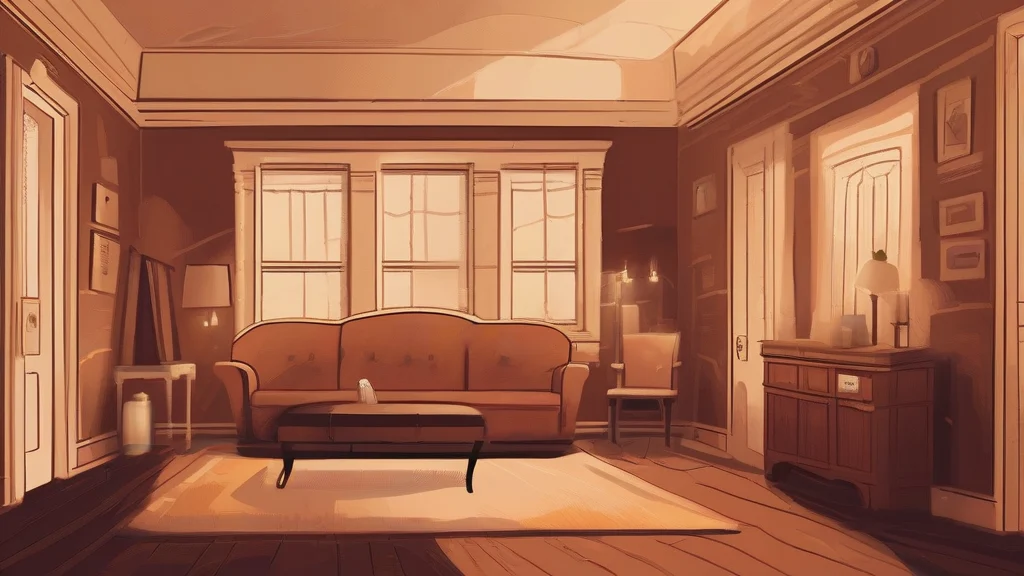
- A room in a home, traditionally used for receiving guests, conversation, or social gatherings.
- A small business establishment offering a particular service, especially personal care or refreshments.
- Conversation or talk, now archaic or historical.
"Grandmother received her Sunday callers in the front parlor."
"They sat around the table in the quiet parlor, discussing the changes in the village."
"The ice cream parlor on the corner stays open late during the summer."
The standard American plural is parlors; British usage normally has parlours.
"The house has several elegant parlors overlooking the garden."
Before a parlor was a place to get your hair done, it was a place to talk—and its earliest meaning was simply conversation itself.
Reviewed by Deb Chak, Editor. AI-assisted content curated by RJS Tech Solutions LLP.
Where does parlor come from?
The word entered Middle English from Anglo-Norman French parler, meaning “to speak,” ultimately from Latin parlare, “to speak” or “talk.” Its earliest English sense was “conversation” or “speech,” and it later developed the sense of a room for conversation before extending to businesses offering personal services. Related words such as parley, parlance, and palaver reflect the same Latin root.
How parlor is actually used
The room sense is somewhat old-fashioned but remains readily understood; in many modern contexts, sitting room is more neutral. The older sense meaning conversation or talk is now archaic.
Easily confused with parlor
Parlour is the standard British spelling of the same word; the two spellings do not have different meanings.