What does passementerie mean?
Passementerie refers to ornamental trimmings or decorations used on clothing, upholstery, or other textiles. These decorative elements can include tassels, fringes, and other types of edging, and are often used to add a touch of elegance or sophistication. The term is commonly used in fashion, interior design, and historical restoration, and may evoke a sense of luxury or refinement. Passementerie can take many forms, from delicate lace or embroidery to more elaborate trimmings featuring tassels or other decorative elements. Overall, passementerie is a useful term for anyone interested in textiles, design, or fashion history.
nounPassementerie refers to ornamental trimmings or decorations, especially those used on clothing, upholstery, or other textiles. These trimmings can include tassels, fringes, and other types of decorative edging.
- Ornamental trimmings or decorations on textiles
- Decorative edging or embellishments
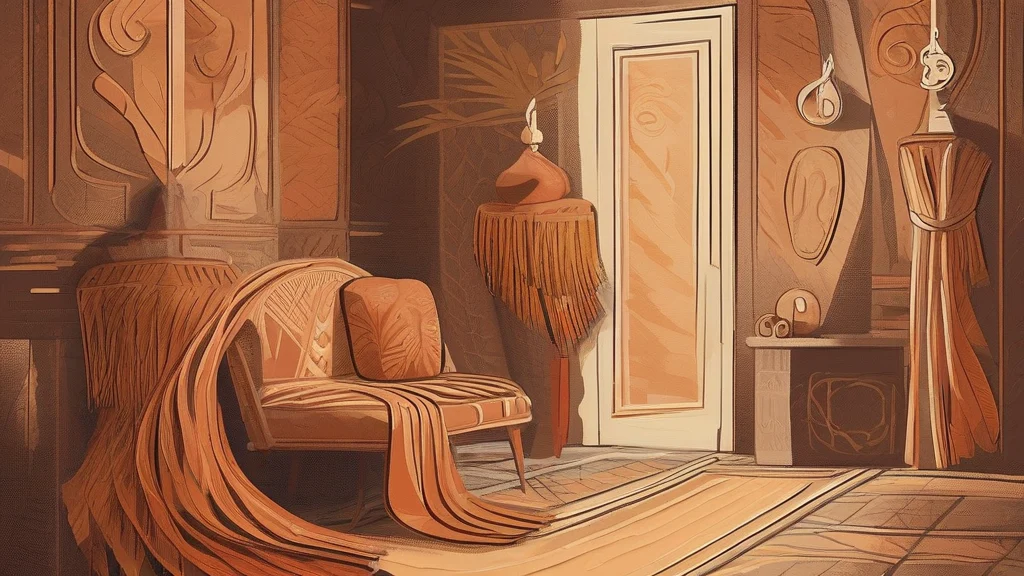
"The antique armchair was adorned with intricate passementerie, adding a touch of elegance to the room."
"The couturier spent hours adding delicate passementerie to the wedding gown."
"The historic mansion's furnishings featured opulent passementerie, reflecting the owner's wealth."
The plural form is used when referring to multiple types or examples of passementerie.
"The designer's collection featured a variety of passementeries, each one more intricate than the last."
Reviewed by Deb Chak, Editor. AI-assisted content curated by RJS Tech Solutions LLP.
Etymology of passementerie
The term passementerie originated in the 18th century, derived from the French word 'passement', which referred to a type of decorative trimming or edging. The word is related to the Old French 'passer', meaning 'to pass' or 'to go through', possibly referring to the way trimmings or edging are applied to textiles. The English term has retained its French roots, maintaining a connection to the country's rich tradition of textile craftsmanship.
How passementerie is actually used
Passementerie is often used in formal or decorative contexts, such as fashion, interior design, or historical restoration. It may sound somewhat archaic or technical in casual conversation.