
What does pastoralism mean?
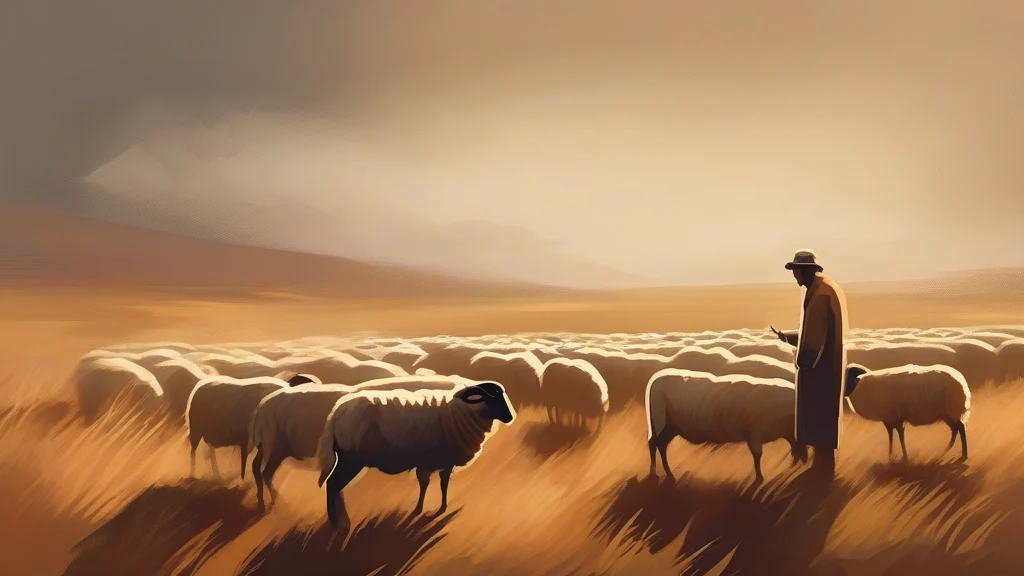
Pastoralism is a way of life or economic system in which people organize their society around the herding of domesticated animals, such as cattle, sheep, goats, or camels. It often involves seasonal movement so that livestock can find fresh grazing, and it may be associated with mobile or semi-mobile communities. The word can also describe an artistic and literary tradition that idealizes shepherds and rural life, portraying the countryside as simple, harmonious, and close to nature. This artistic sense is distinct from the practical study of pastoral economies, although both derive from the idea of pastoral life. Pastoralism is important in anthropology because it examines how animal husbandry can influence settlement patterns, social organization, food supplies, and relationships with surrounding environments. In literature and art, it provides a useful label for idealized countryside imagery and themes. The term is sometimes used in contrast with settled crop agriculture, though the two systems can overlap in practice.
A way of life or economic system based on herding domesticated animals, often with seasonal movement between grazing areas.
"The valley's pastoralism traditionally depended on moving sheep to higher summer pastures."
Common in anthropology, geography, and economic history; it often emphasizes the broader social and economic system rather than herding as an individual activity.
A literary or artistic mode that idealizes shepherds, rural life, and the perceived simplicity of nature.
"Her novels use pastoralism to contrast the serenity of the countryside with urban life."
This sense is used in literary and art criticism and refers to a tradition or style of representation.
The plural is uncommon; it is used when referring to different pastoral systems, traditions, or literary modes.
"The book compares pastoralisms from different regions and historical periods."
Pastoralism captures a way of life in which livestock, rather than crops, shape where people live and how they move.
Reviewed by Deb Chak, Editor. AI-assisted content curated by RJS Tech Solutions LLP.
Where does pastoralism come from?
The word was formed in English from pastoral plus the suffix -ism. Pastoral comes from Latin pastoralis, meaning “of or relating to shepherds,” and ultimately from pastor, meaning “shepherd,” which is related to the Latin verb pascere, “to feed.” The same pastoral root connects the term with pastor and other forms related to shepherding and grazing.
Related word forms
How pastoralism is actually used
The term is most common in anthropology, geography, history, and development studies. In literary and art criticism, it can refer to an idealized rural tradition rather than to the practical activity of herding itself.
Easily confused with pastoralism
Pastoral is usually an adjective meaning relating to shepherds or idealized rural life, whereas pastoralism names the herding-based way of life or the literary and artistic tradition associated with it.