
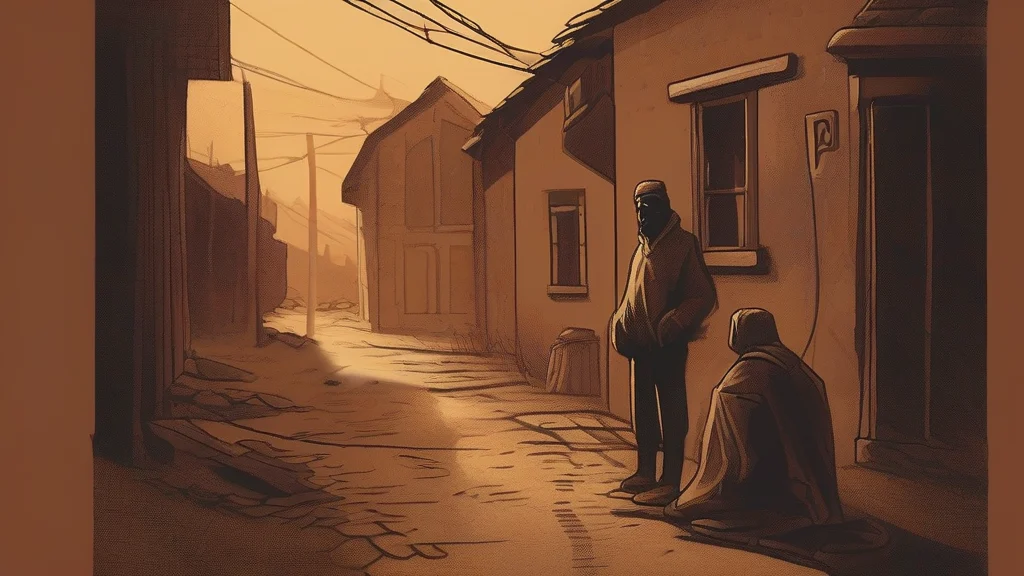
What does pauper mean?
Pauper is a noun for a person who is poor or destitute, especially in older usage someone officially classified as needing charitable or public relief. Today it is chiefly literary, formal, and often deliberately blunt: calling someone a pauper highlights severe deprivation but can also sound dated or derogatory, as though poverty defines the person. In modern prose, 'impoverished person' or 'destitute person' will usually sound more respectful and precise, depending on context. The word often appears in historical fiction and writing about poor laws, workhouses, begging, and social exclusion. Pauper has legal and social overtones beyond its basic meaning of 'very poor person'; older Poor Law systems used it as an administrative label for people eligible for relief or regarded as responsible for their own poverty. The term comes through French from Latin pauper, 'poor,' and is related to forms meaning 'poor' in several Romance languages. Though pauper may sound antiquated, it remains useful when discussing the history of poverty and welfare because it captures both an economic condition and the institutional attitudes surrounding it.
nounA person who is poor or destitute, especially one who receives or is eligible for public assistance or poor relief.
- A person who is very poor or destitute, especially one receiving or considered eligible for charitable or public relief.
- An archaic and administrative term for a person classified as poor under poor-law or welfare systems.
"A chance encounter with a traveling scholar changed the young pauper's life."
"A chance encounter with a traveling scholar changed the young pauper's life."
"In the novel, the family waits in line for bread while the clerk decides which paupers qualify for relief."
The regular plural is paupers. It is now uncommon in neutral writing and may sound dated or dismissive, especially when describing welfare recipients.
"The workhouse register lists paupers by family."
Once part of the grim vocabulary of poor-law administration and the workhouse, pauper still carries the attitudes that societies have attached to poverty.
Reviewed by Deb Chak, Editor. AI-assisted content curated by RJS Tech Solutions LLP.
Where does pauper come from?
The word appeared in English in the early 15th century, borrowed from Anglo-French pauper meaning 'poor' or 'destitute.' It ultimately comes from Latin pauper, 'poor,' a word related to cognates in French, Spanish, Portuguese, and Italian. English later developed pauperism and pauperize from this established noun.
Related word forms
How pauper is actually used
The word is literary, formal, and often somewhat archaic. Its historical association with poor relief can make it sound institutional or dismissive; in modern contexts, 'impoverished person' or 'destitute person' is usually more neutral.