
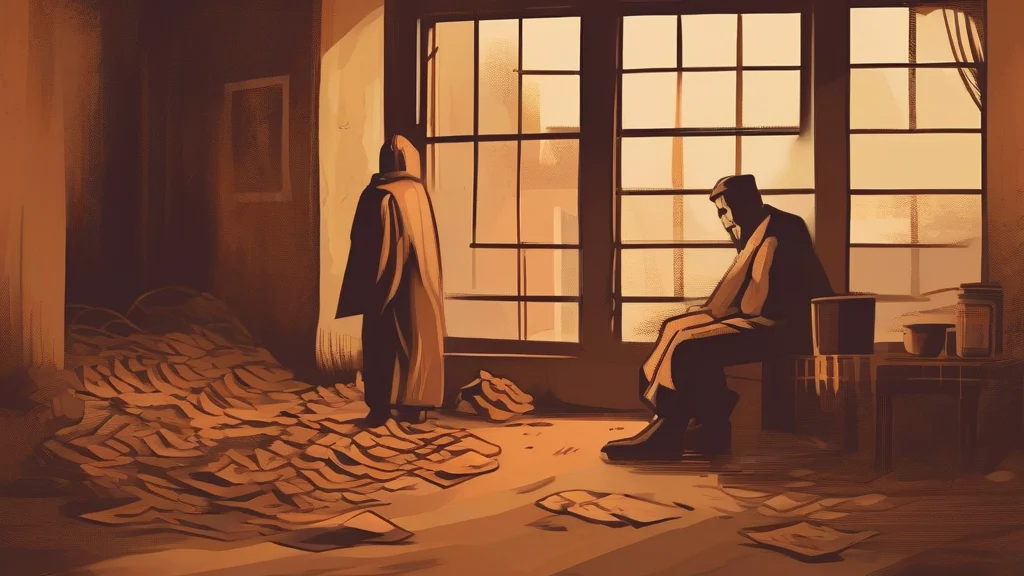
What does pauperism mean?
Pauperism is the condition of widespread poverty, especially the social state in which many people lack adequate food, housing, work, or other necessities. The word is more specific and somewhat more formal than simply “poverty”: it often suggests a social or economic problem affecting a community rather than an individual’s financial hardship. In historical writing, pauperism could describe the condition of the working poor and the growth of a large population dependent on low wages or public relief. The term also appeared in nineteenth-century political debate, where poverty was discussed as a condition requiring social reform. Today, it remains understandable and occasionally useful in historical, political, and analytical contexts, although “poverty” is more common in general discussion. Its interest lies in presenting deprivation as a collective and structural issue rather than merely a private misfortune.
nounThe state or condition of being poor, especially widespread poverty or dependence on assistance. In historical political usage, it also refers to the social condition of a large impoverished population.
- The state or condition of being poor, especially when poverty is widespread.
- Historically, the social and political condition of a large population living in poverty.
"The reform movement sought to address the pauperism that had spread through the industrial cities."
"Government officials debated how best to reduce pauperism in the industrial districts."
"The writer described the pauperism of rural communities after the harvest failed."
The plural is grammatically possible but uncommon, since “pauperism” is usually used as an uncountable or mass noun.
"The writings compared the pauperisms experienced in different industrial towns."
Pauperism names not simply individual hardship, but the social condition in which poverty becomes a widespread structural problem.
Reviewed by Deb Chak, Editor. AI-assisted content curated by RJS Tech Solutions LLP.
Where does pauperism come from?
Pauperism was formed in the early nineteenth century from French paupérisme, a term meaning the condition or system of pauperism. The French word was based on Latin pauper, meaning “poor” or “destitute,” with the suffix -ism added to form a noun of condition or doctrine. English borrowed the term during a period of intense discussion about poverty, industrial conditions, and social reform. The same Latin root also underlies forms such as pauper, poor, poverty, and impoverish.
How pauperism is actually used
The word is relatively formal and historical in tone. It is less common in everyday modern usage than “poverty,” but it can emphasize the social or political dimensions of poverty.
Easily confused with pauperism
Pauperism is the state or condition of poverty, whereas a pauper is an individual person who is poor or relies on charitable assistance.