
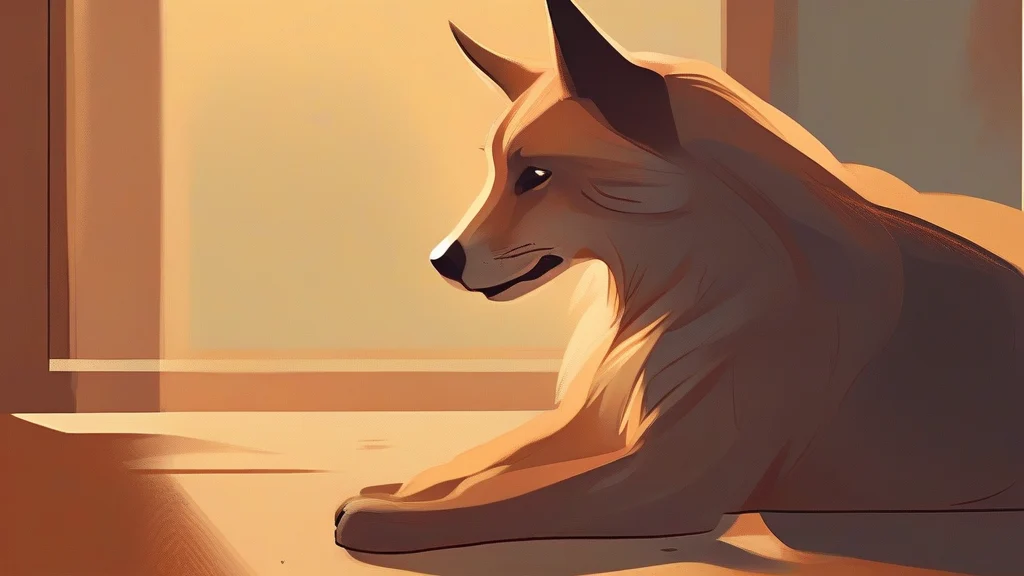
What does pawing mean?
Pawing most commonly means using a paw or hoof to strike, scrape, or knead something, usually in a repeated or restless motion. A horse may paw the ground while impatient, while a dog may paw at a door in an attempt to open it. The word also has figurative uses for making grasping, fumbling, or energetic hand movements, often with the suggestion that the activity is clumsy, overly enthusiastic, or ineffective. In expressions such as pawing through a collection of papers, the literal action is transferred to an untidy or indiscriminate search through physical or digital material. Pawing is thus useful because it conveys both the physical image of an animal’s raised limb and the broader idea of vigorous activity that may lack control or purpose. Its tone ranges from neutral description to mild criticism, depending on the subject and context.
verbPawing means striking or scraping repeatedly with a paw or hoof. Figuratively, it can describe a person making clumsy grasping movements or handling something with excessive, often ineffectual, energy.
- To strike, scrape, or knead with a paw or hoof, especially repeatedly.
- To make grasping, fumbling, or excessively energetic movements with the hands, often figuratively describing clumsy or overly enthusiastic handling.
"The restless horse kept pawing the ground while the storm approached."
"A black cat sat by the door, pawing at the handle until it opened."
"He pawed through the paperwork in a hurry, leaving several pages torn."
The word began with an animal's foot and still carries the image of a restless hoof or paw lifting and striking the ground.
Reviewed by Deb Chak, Editor. AI-assisted content curated by RJS Tech Solutions LLP.
Where does pawing come from?
Pawing is the present participle and gerund of paw, an English word inherited from Old English pawa, meaning an animal’s foot. Old English pawa belonged to a Germanic word family that included Old Norse paw and Dutch poot, all traceable to a common Indo-European word for “foot.” The verb developed from the older sense of the noun and came to mean using a paw to strike or scrape.
How pawing is actually used
The literal sense is standard and is particularly common with animals such as horses, dogs, and cats. Figurative uses often carry a mildly critical or humorous implication, suggesting grasping, clumsy, or overly enthusiastic behavior.
Easily confused with pawing
Pawing involves striking or scraping with a paw, hoof, or metaphorical hand, whereas pausing means briefly stopping or hesitating.