
What does pecked mean?
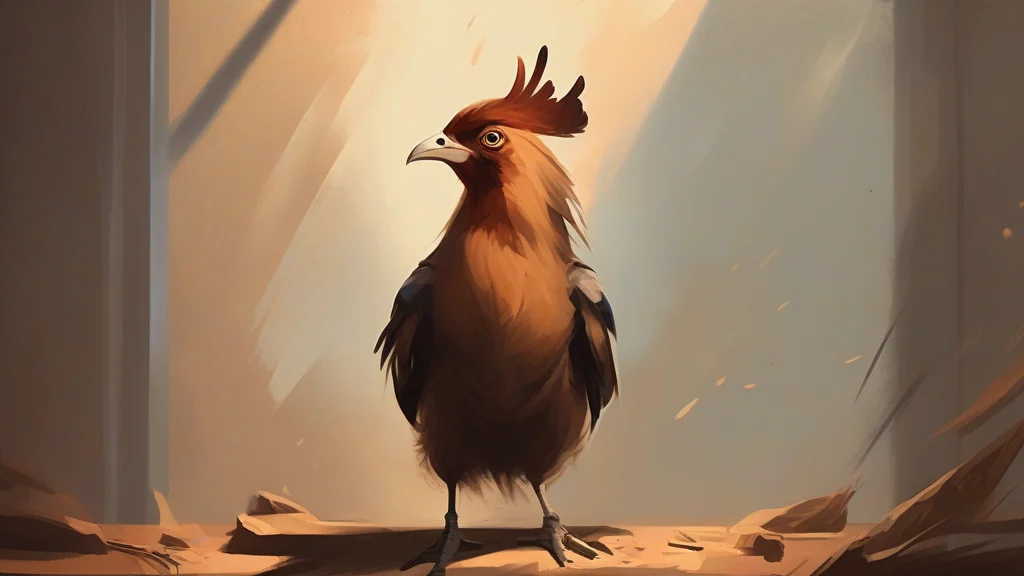
Pecked is the past tense and past participle of peck, a verb best known for describing the movement of a bird's beak. A bird pecked at the ground, at food, or at another bird, using its beak to pick, strike, or investigate. The word can also describe a quick, light kiss, as when someone pecked a loved one on the cheek. In informal writing, pecked may imply eating quickly or in small portions, especially when someone pecked at a meal. The form is common in both British and American English, but its figurative uses are generally more conversational than its literal bird-related sense. Although pecked is grammatically a verb form, it can also function descriptively before a noun, as in “a pecked surface,” meaning marked or damaged by small beak-like strikes.
To strike or pick at something with a bird's beak; give a quick, light kiss; or informally, eat or pick up food in small, hurried bites.
"The robin pecked at the worm beneath the hedge."
The kissing and hurried-eating senses are informal.
Marked or damaged by small strikes made with a bird's beak.
"The tree trunk was covered with pecked marks."
This use is less common than the verb form and usually appears before a noun.
A bird's beak can turn a casual peck into a tiny, precise mark.
Reviewed by Deb Chak, Editor. AI-assisted content curated by RJS Tech Solutions LLP.
Where does pecked come from?
The word peck comes from Old English pec, referring to a stroke or blow with the beak, and related forms in the language developed alongside the verb. The modern spelling reflects the regularized form used in modern English. Its history is also reflected in related words such as pecker and peckish, which share the same basic sense of birds striking with their beaks or appearing eager for food.
Related word forms
How pecked is actually used
The verb is standard in descriptions of birds, while the kissing sense is informal and affectionate. The eating sense is also informal and often implies hurried or greedy eating.
Easily confused with pecked
Pecked refers to a bird's beak striking or picking at something, while pocked means marked with many small hollows or dents.