
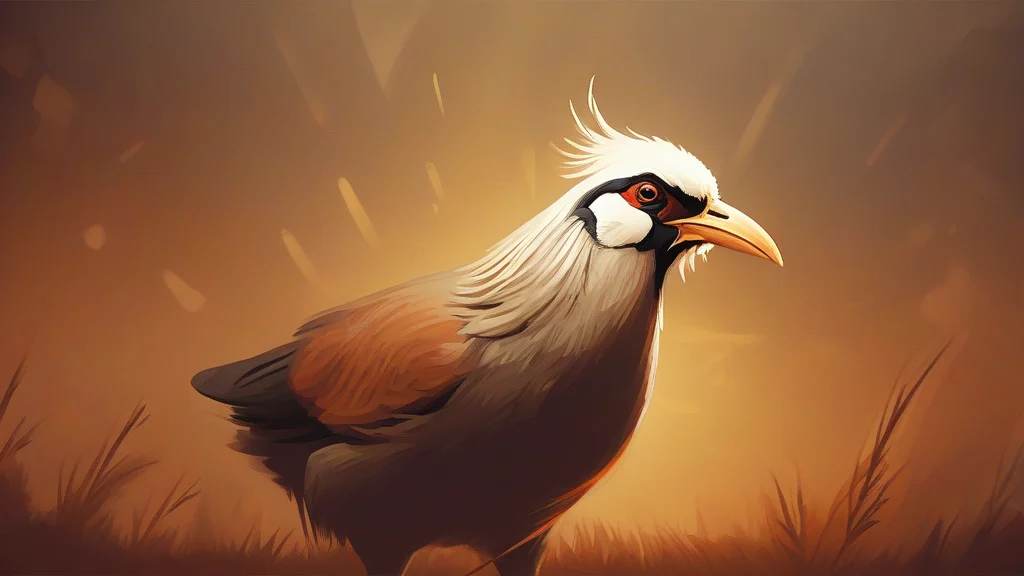
What does pecking mean?
Pecking literally refers to the repeated striking or tapping of a beak against a surface, food, or another object. It is the present participle of the verb peck and is commonly used to describe the behavior of birds, such as chickens pecking at grain or woodpeckers pecking at a tree. Figuratively, pecking at a person means persistently questioning or criticizing them, while pecking at a problem means working at it repeatedly, often in a painstaking or unresolved way. The related noun refers to the behavior itself or to competition in which individuals assert their superiority, as suggested by the familiar expression pecking order, which can describe a social hierarchy among people as well as birds. Although the literal sense is straightforward and neutral, figurative uses frequently suggest irritation, criticism, or persistent effort. Understanding both senses explains why the same word can describe both ordinary feeding behavior and an ongoing verbal dispute.
As a present participle, pecking means repeatedly striking or tapping with a beak; figuratively, it means persistently questioning, criticizing, or trying to resolve something.
"The chicks were pecking at every piece of feed that fell from the coop."
The present-participle form is standard in both literal and figurative descriptions.
The act or behavior of repeated pecking; figuratively, behavior involving competition, criticism, or the establishment of rank.
"The constant pecking at the feeder soon woke the whole flock."
The noun is usually treated as uncountable, although the plural peckings is possible in occasional countable uses.
The plural is uncommon; the action is normally treated as an uncountable noun.
"Small peckings and scratches covered the feeder."
Even birds have politics: a pecking order can turn a feeding flock into a strict social hierarchy.
Reviewed by Deb Chak, Editor. AI-assisted content curated by RJS Tech Solutions LLP.
Where does pecking come from?
Pecking was formed from the Middle English verb peck by adding the present-participle and gerund ending -ing. The verb peck is recorded from Middle English for striking or tapping with a beak, although its deeper linguistic origin is uncertain. The related forms pecker and peckish were likewise derived within English from the same verbal root.
How pecking is actually used
The literal use is neutral and common, especially in descriptions of birds. The figurative use often carries a mildly negative implication of persistent criticism, repeated questioning, or excessive attention to minor difficulties. There are no substantial regional differences between standard British and American usage.