
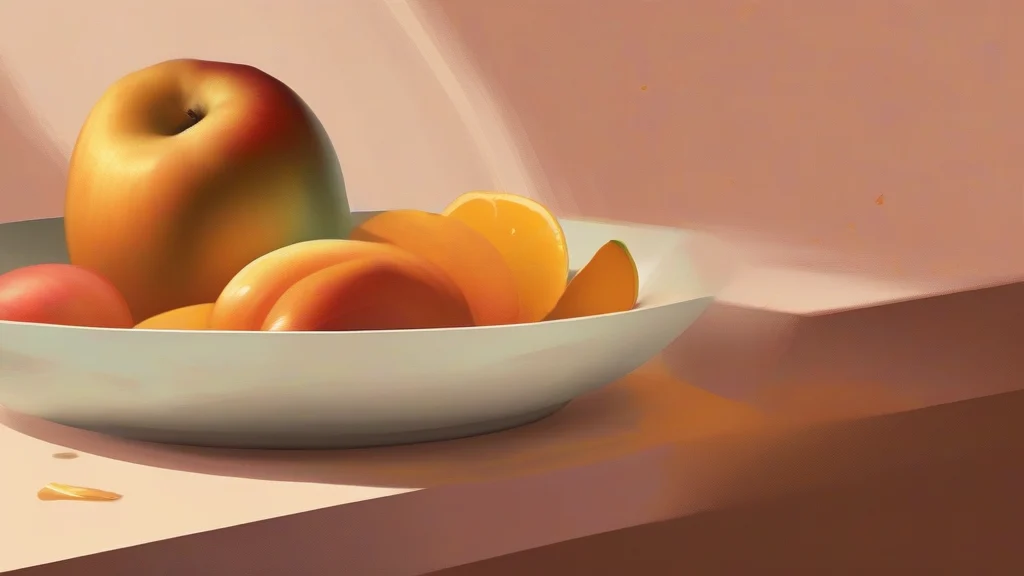
What does peel mean?
Peel is a familiar verb and noun associated with outer layers. As a verb, it describes removing a covering from something, such as fruit, vegetables, paint, or wallpaper, and it can also describe the covering coming away: “The varnish began to peel.” In figurative use, expressions such as “peel away” and “peel back” mean to separate gradually, uncover information, or reveal successive aspects of something. As a noun, a peel is the skin or rind of a fruit or vegetable. The word is common in both British and American English, although surrounding vocabulary varies: British speakers often use “skin” for potatoes, while “peel” is standard across the varieties of fruit in both varieties of English. Its usefulness lies in its vivid association with layers: whatever lies on the outside can be removed, separated, or gradually revealed.
To remove an outer layer from something, or to come away in strips, flakes, or layers; figuratively, to separate or reveal something gradually.
"The wallpaper was difficult to peel from the damp wall."
The verb is commonly transitive with an object such as “fruit,” “paint,” or “label,” and can also be used intransitively. “Peel away” and “peel back” are common figurative constructions.
The thin outer covering of a fruit, vegetable, or other object; a layer that can be removed.
"He scraped the peel from the potatoes before boiling them."
Usually a mass noun when referring to the skin of a fruit or vegetable; the plural “peels” is appropriate for separate pieces of covering.
A peel is usually a mass noun, as in “orange peel.” The plural “peels” is used for separate pieces of skin or outer covering.
"The chef discarded the potato peels."
From fruit peel to a peeling paint finish or a story that “peels back” a mystery, the word describes layers being revealed or removed.
Reviewed by Deb Chak, Editor. AI-assisted content curated by RJS Tech Solutions LLP.
Where does peel come from?
The word entered Middle English as “pelen,” borrowed from Anglo-Norman “peler,” meaning to strip or remove an outer layer. The noun meaning an outer covering developed from the action of peeling and became established in modern English. The form has remained especially associated with the skin of fruit and vegetables while extending figuratively to surfaces and layers more generally.
Related word forms
How peel is actually used
The verb can be transitive, as in “peel the potatoes,” or intransitive, as in “the wallpaper is peeling.” “Peel away” and “peel back” are also widely used figuratively for gradual separation or revelation. The noun is commonly treated as a mass noun for the skin of a fruit, although “peels” is used for separate pieces of skin or covering.
Easily confused with peel
A peel is an outer layer that can be removed, whereas a peal is the ringing of a bell or bells.