
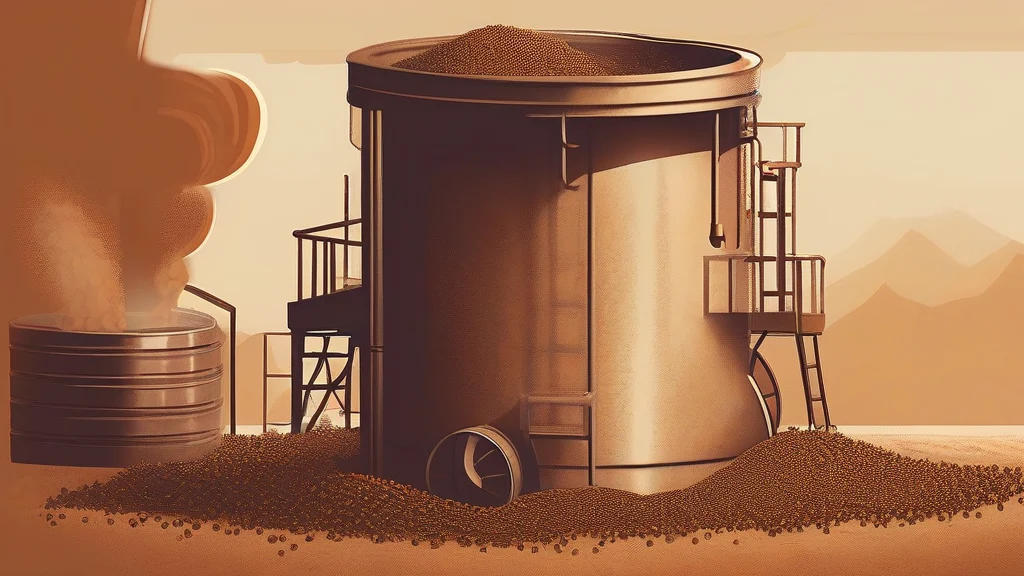
What does pelletising mean?
Pelletising is the process of converting a loose or powdered material into small, compact pellets. It is commonly used for animal feed, wood pellets, recycled plastics, pharmaceutical products, and solid fuels, with the material often being compressed through a die to create consistently shaped pieces. The resulting pellets are easier to handle, store, transport, and measure than the original material. In British and other Commonwealth English, the process is called pelletising and the related noun is pelletisation; American English generally uses pelletizing and pelletization. The word belongs mainly to technical and industrial vocabulary, but it also appears in discussions of agriculture, renewable energy, recycling, and food production. Its practical importance is considerable because the physical form of a material can affect how efficiently it is handled and used.
verbTo form a material into small, compact pellets, especially by compressing it through a die. The term is used especially in manufacturing, agriculture, recycling, and energy production.
- The process or act of forming a material into small, compact pellets, usually by compressing it through a die.
"The factory uses pelletising machinery to turn recycled plastic into fuel pellets."
"The plant has installed a new line for pelletising recycled plastic into fuel pellets."
"Pelletising animal feed into small uniform pieces makes the product easier to store and transport."
Pelletising turns loose powder into uniform, handleable pellets, making it easier to store, transport, and dose.
Reviewed by Deb Chak, Editor. AI-assisted content curated by RJS Tech Solutions LLP.
Where does pelletising come from?
The verb was formed in English from pellet, a word that came through Middle French pelote from Latin pila, meaning “ball.” The -ising spelling reflects the British preference for -ise forms, while pelletisation and pelletiser are related noun and agent-noun formations. Pelota, pile, and pillar also reflect developments of the same Latin root, although their modern meanings vary.
Related word forms
How pelletising is actually used
This is chiefly a technical and industrial term associated with manufacturing, agriculture, pharmaceuticals, biomass, and recycling. The -ising spelling is standard in British and other Commonwealth English; American English generally uses “pelletizing.”
Easily confused with pelletising
“Pelletizing” is the American spelling of the same word, rather than a different process.