
What does pepo mean?
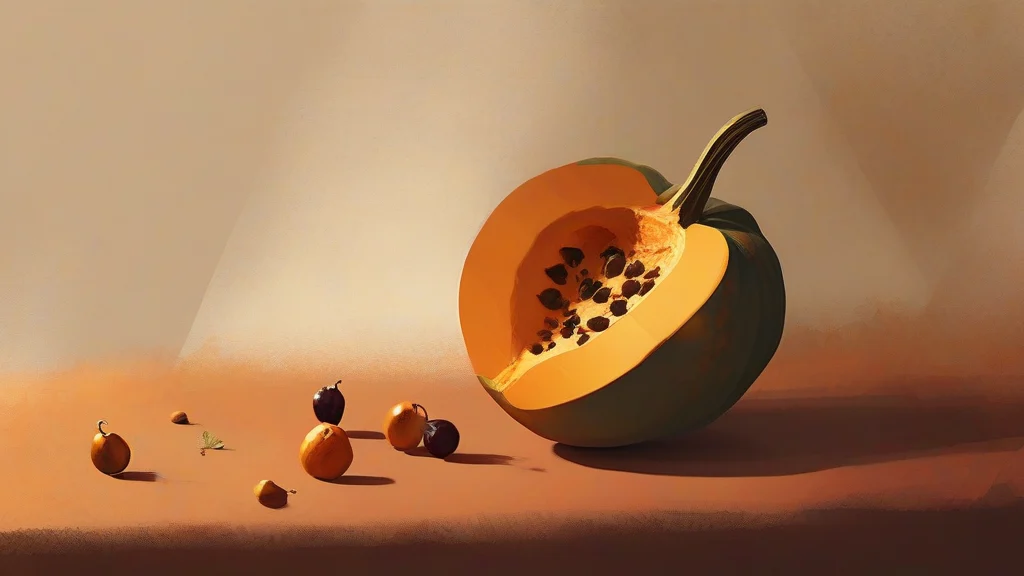
Pepo is a technical botanical term for a particular kind of fleshy fruit with a firm or tough outer rind and numerous seeds. Familiar examples include melon, cucumber, pumpkin, and many squashes. Unlike an everyday use that might simply mean “melon” or “pumpkin,” the word names the fruit’s structural category, placing it among modified berries rather than treating it as a species or variety. This precision is useful in botany, agriculture, horticulture, and discussions of how fruits develop and disperse their seeds. The term can sound especially productive because it belongs to a family of words connected with the Greek word for a melon or gourd-like fruit, which also helped produce English melon and pumpkin. Outside specialist writing, pepo is uncommon, so readers may initially interpret it as the name of a particular fruit rather than a classification. Its brevity and technical specificity make it memorable once that distinction is understood.
nounA botanical fruit with a fleshy interior and a firm or tough rind, typically containing many seeds. Melons, cucumbers, pumpkins, and squashes are examples.
- A fruit belonging to the pepo type, with a fleshy interior, a relatively tough rind, and usually numerous seeds.
"The melon is a familiar pepo, a fleshy fruit enclosed in a firm rind."
"The melon is a familiar pepo, a fleshy fruit enclosed in a firm rind."
"Botanists classify the cucumber and many squashes as forms of pepo."
The standard plural is pepos.
"Botanists described the developing pepos as fruits with tough, indehiscent rinds."
Cucumbers and melons share a secret: botanists classify both as a pepo—a berry with armor.
Reviewed by Deb Chak, Editor. AI-assisted content curated by RJS Tech Solutions LLP.
Where does pepo come from?
Pepo entered English from Latin pepo, which was borrowed from Greek pepōn, meaning “melon” or a gourd-like fruit. The same Greek source also underlies words including English melon and pumpkin and Spanish pepita. The technical English sense refers to a botanical fruit type characterized by a fleshy interior, a tough rind, and many seeds.
How pepo is actually used
This is chiefly a specialized botanical term rather than an ordinary word for melon, pumpkin, or squash. It names a structural category of fruit and is most common in botanical, agricultural, and horticultural writing.
Easily confused with pepo
Pep means energy or enthusiasm, whereas pepo is a botanical term for a type of many-seeded fruit.