
What does percussion mean?
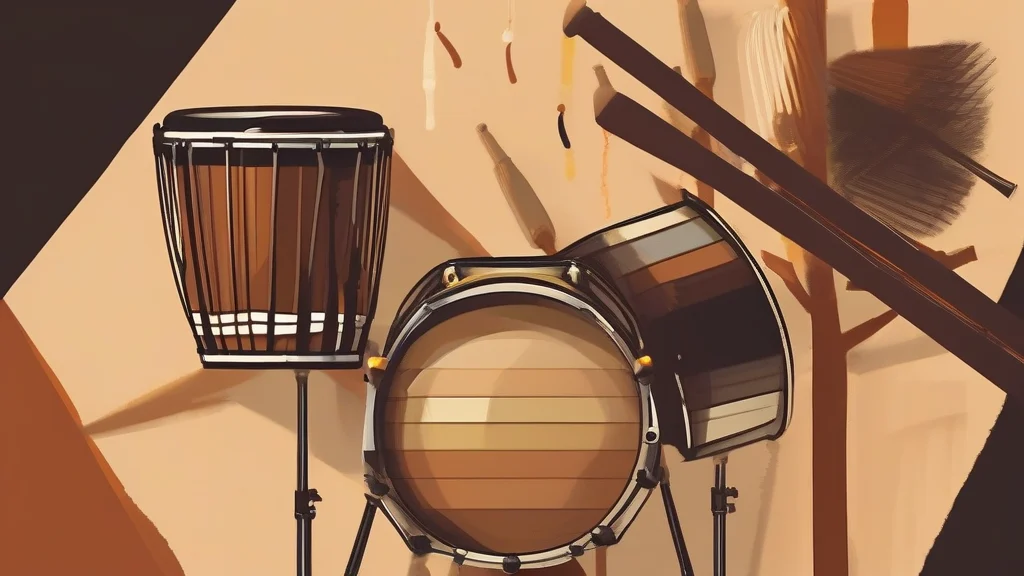
Percussion is the technique of producing a sound by striking, tapping, shaking, scraping, or otherwise agitating an object. It is most commonly associated with musical instruments such as drums, cymbals, gongs, and tambourines, but the term can also refer to the musicians who perform on those instruments. In an orchestra, for example, the percussion section may include several players responsible for a wide variety of rhythmic sounds. Percussion also has a technical medical meaning: a clinician may use percussion to examine the chest or abdomen by tapping it and listening to the sound produced. The word is useful because it identifies a basic principle of sound-making that extends far beyond conventional instruments. Almost any suitable object can become a percussion source, including glassware, wooden surfaces, metal sheets, and the human body. Consequently, percussion can describe both musical performance and the broader act of striking or tapping for a purpose.
nounThe act of striking or tapping one object against another to produce a sound. In music, it refers to the instruments or performers whose sounds are produced by striking, shaking, scraping, or otherwise agitating a surface.
- The production of sound by striking, shaking, scraping, or tapping objects.
- The musical instruments, or the players performing on them, that produce sound in this way.
- The act or sound of striking or tapping a body or object, especially for examination.
"The drums and other percussion added energy to the performance."
"The orchestra's percussion section included a timpanist and two percussionists."
"The doctor used percussion to listen to the sounds made by tapping the patient's chest."
Usually used only when referring to separate acts or instances of striking, as in scientific or technical discussion.
"Repeated percussions of the glass made it crack."
Percussion began with the idea that striking an object can make it speak: drums, bells, gongs, and many everyday objects can all become instruments.
Reviewed by Deb Chak, Editor. AI-assisted content curated by RJS Tech Solutions LLP.
Where does percussion come from?
Percussion entered English from French percussion in the 17th century, with the sense of striking or tapping. The French word derives from Latin percussio, a noun formed from percussus, the past participle of percutere, meaning “to strike through” or “strike.” The same Latin root underlies English words such as percuss, percussive, and repercussion, reflecting the shared idea of repeated or forceful striking.
Related word forms
How percussion is actually used
In musical contexts, percussion may denote the instruments collectively, the players who perform them, or the rhythmic part they create. In medical contexts, percussion specifically means tapping a body surface and listening to the resulting sound.
Easily confused with percussion
Percussion means striking or tapping to make a sound, whereas persecution means persistent or cruel treatment.