
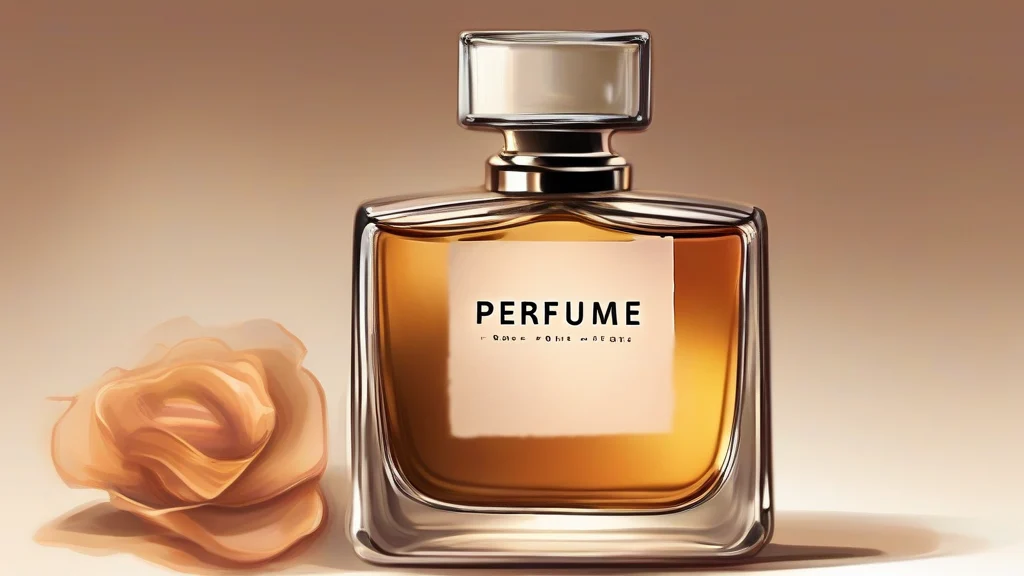
What does perfume mean?
A perfume is a pleasant-smelling fragrance, most often a concentrated liquid applied sparingly to the skin. The word can also refer more generally to a characteristic scent, as in the perfume of wet earth after rain. As a verb, perfume means either to apply fragrance to a person or to fill a room, garment, or object with a sweet odor. Its use is generally elegant or literary rather than purely technical, and it often carries connotations of refinement, luxury, or sensuality. The word has a particularly interesting history: it ultimately connects with the Latin word for “smoke,” reflecting the older idea of fragrance spreading through the air. Today, perfume is associated principally with scented cosmetics and carefully chosen personal fragrances, but its broader meaning allows it to describe any evocative and delightful scent.
A concentrated fragrance, especially a scented liquid applied to the skin; more generally, any pleasant or characteristic smell.
"The bottle of perfume had a warm scent of amber and vanilla."
When referring to a liquid cosmetic fragrance, the word is normally countable. In the broader sense of a pleasant smell, it may be singular or mass.
To apply perfume to someone, or to fill a place or object with a pleasant fragrance.
"The blossoms perfumed the entire garden after sunset."
This verb is usually transitive. The sense of filling a space with fragrance is formal or literary.
Usually plural when referring to individual bottles, types, or products of fragrance; the singular can also name an unspecified fragrance or its smell.
"The shop sells perfumes inspired by gardens and forests."
Perfume began with an image of scented smoke, because its name traces back to the Latin word for “smoke.”
Reviewed by Deb Chak, Editor. AI-assisted content curated by RJS Tech Solutions LLP.
Where does perfume come from?
English borrowed the word through French from an obsolete Italian form related to perfumare, a term built on Latin per- and fumus, “smoke.” The original idea was of fragrance or scent passing through the air like smoke. Related English words such as fumigate and fumigant descend from the same ancient root concerning smoke or fumigation.
Related word forms
How perfume is actually used
The noun commonly refers to a scented cosmetic liquid, though it can also denote a fragrance more generally. As a verb, it is usually transitive and literary in the sense of filling a space with fragrance. The pronunciation with an added r is especially common in American English.
Easily confused with perfume
A perfume is the fragrance itself, whereas a perfumery is the art or business of making perfumes or a place where they are sold.