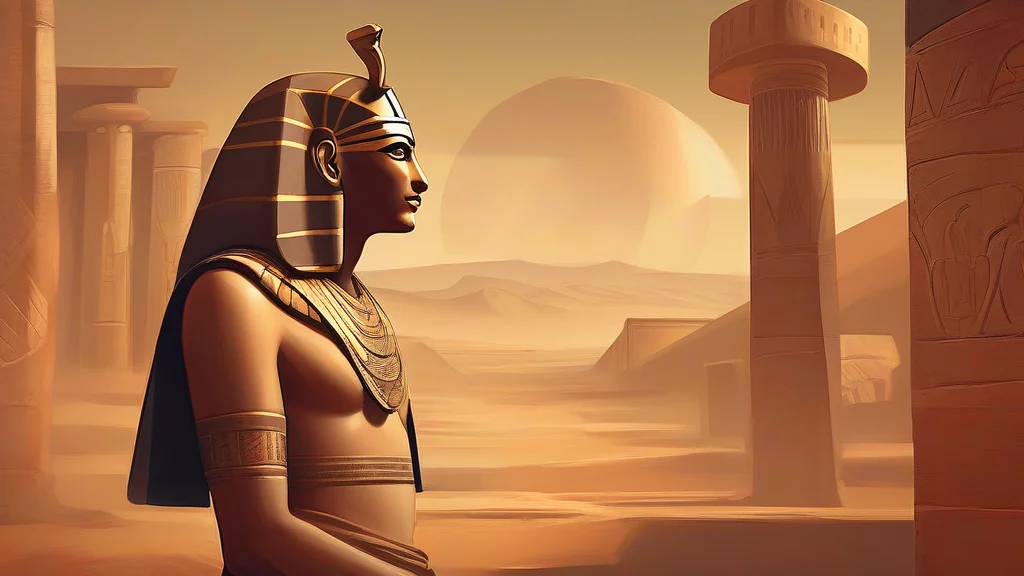
What does pharaonic mean?
The term pharaonic refers to something that relates to or resembles a pharaoh, particularly in terms of grandeur, power, or monumentality. It can describe architecture, art, literature, or even a person's behavior, especially when it is autocratic or imperious. The word is often used in formal or literary contexts to evoke a sense of ancient Egyptian history and culture. Pharaonic can also imply a sense of majesty or sovereignty, and is sometimes used to describe something that is impressive or awe-inspiring. Overall, the word pharaonic is a useful and interesting term for describing things that are grand, powerful, or monumental.
adjectiveRelating to or resembling a pharaoh, especially in being autocratic or imperious. Having or showing the qualities of a pharaoh, such as grandeur, power, or monumentality.
- relating to or characteristic of a pharaoh
- impressive or grandiose in a monumental way
"The pharaonic ambitions of the billionaire were evident in his sprawling, pyramid-shaped skyscraper."
"The pharaonic architecture of the ancient temple was awe-inspiring."
"The company's pharaonic profits were a testament to its dominance in the industry."
Reviewed by Deb Chak, Editor. AI-assisted content curated by RJS Tech Solutions LLP.
Etymology of pharaonic
The word pharaonic originates from the name of the ancient Egyptian rulers, pharaohs, who were believed to be divine. The term pharaonic is derived from the Greek word 'pharaō', which was used to refer to the Egyptian kings. The word has been used in English since the 17th century to describe things that are related to or characteristic of the pharaohs.
How pharaonic is actually used
Formal or literary usage; often used to describe something impressive or grandiose, but can also imply autocratic or imperious behavior.