
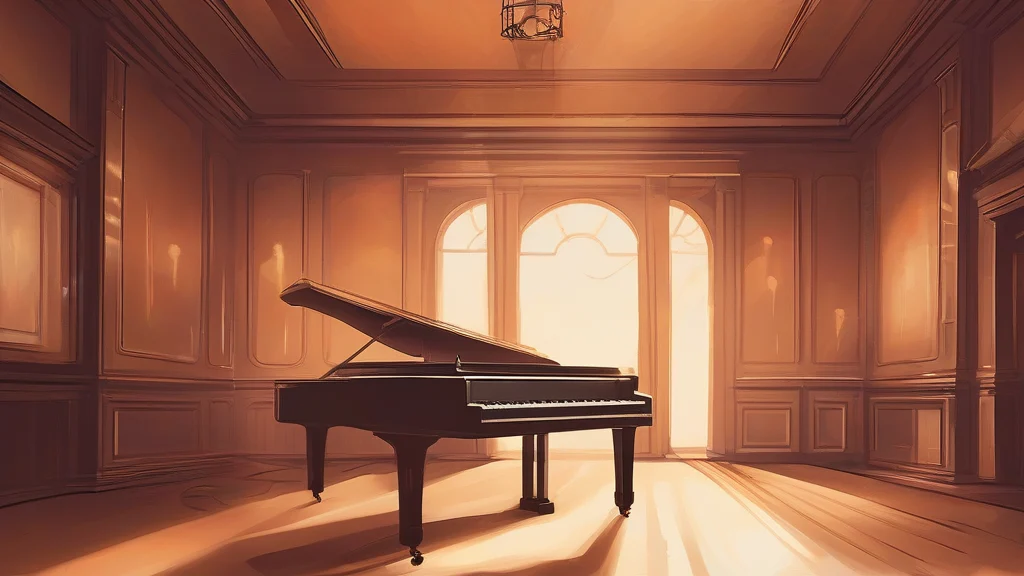
What does pianoforte mean?
A pianoforte is a stringed musical instrument played from a keyboard, with hammers that strike the strings to produce sound. It is the instrument now generally called a piano, including both grand and upright models. The word has a formal, traditional character and is often preferred in descriptions of classical performances, music history, and concert instruments, although piano is far more common in everyday use. Its unusual name comes from Italian: pianoforte combines piano, meaning “soft,” with forte, meaning “loud,” referring to the instrument’s ability to produce a broad range of dynamic effects. A pianist may therefore use a pianoforte for a quiet, delicate passage or a forceful climactic chord. Although the term can sound literary or old-fashioned, it remains perfectly standard and accurately describes the instrument.
nounA musical instrument with a keyboard and strings struck by hammers, now generally known as a piano. The term is chiefly historical or formal, though it remains common in some styles of classical music and in British usage.
- A keyboard instrument with strings struck by hammers, also called a piano.
"The pianist performed a delicate passage on the grand pianoforte."
"She had studied the pianoforte since childhood."
"The old pianoforte in the corner needed to be tuned."
The plural is rarely needed because pianoforte is usually used in a general or historical sense.
"The collection includes two pianofortes from the nineteenth century."
The name means “soft-loud” in Italian, recalling the instrument’s wide range of dynamics.
Reviewed by Deb Chak, Editor. AI-assisted content curated by RJS Tech Solutions LLP.
Where does pianoforte come from?
Pianoforte is an Italian word formed from piano, “soft,” and forte, “loud.” It developed in the 18th century as a name for the newly invented piano, whose mechanism allowed the performer to vary the loudness and softness of the notes. The name later became established in English as a formal alternative to the shortened form piano.
Related word forms
How pianoforte is actually used
The word is more formal and traditional than piano, and is especially associated with classical music and formal concert descriptions. It is also used in British English as a somewhat old-fashioned synonym for piano.
Easily confused with pianoforte
Pianoforte is the formal or historical name for the instrument, while piano is the usual modern term for it.