
What does pictorialist mean?
A pictorialist is an artist or photographer who seeks an expressive, aesthetically shaped image rather than merely recording a subject with documentary accuracy. The word is most closely associated with the Pictorialist movement, a late-19th-century development in photography that drew on painting and printmaking traditions. Its practitioners used soft focus, atmospheric lighting, unusual viewpoints, and carefully designed compositions to give photographs a poetic, symbolic, or dreamlike character. Today, the term can describe anyone whose work emphasizes visual effect and artistic interpretation over literal representation. It is especially useful in art history, photography, and criticism because it identifies not merely a medium or occupation, but a particular approach to making images. The word is more specific than “artist” and more historically grounded than “visual artist,” while also distinguishing image-making from illustration, illustration’s usual purpose being to clarify or accompany another subject.
nounA pictorialist is an artist or photographer who emphasizes expressive, artistic, or pictorial qualities over strict documentary realism. The term is especially associated with the late-19th-century Pictorialist movement in photography.
- An artist or photographer who emphasizes artistic expression, visual composition, and symbolic or atmospheric effect over documentary accuracy.
"The pictorialist photographers used soft focus and carefully composed scenes to transform ordinary subjects into images of mood and symbolism."
"The exhibition brought together works by several pictorialist photographers whose images had a dreamlike quality."
"Her approach to portraiture is strongly pictorialist, using unusual lighting and simplified compositions to create a poetic effect."
The usual plural refers to artists or photographers associated with the Pictorialist movement or approach.
"The catalogue compares works by several pictorialists from Europe and the United States."
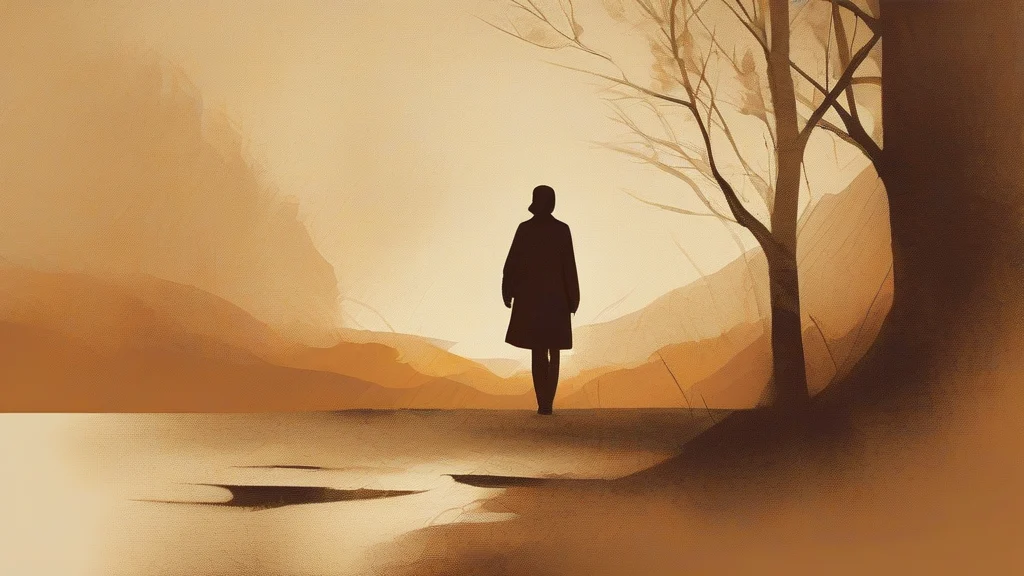
Pictorialist photographers made ordinary photographs feel like paintings, turning light, atmosphere, and composition into the main event.
Reviewed by Deb Chak, Editor. AI-assisted content curated by RJS Tech Solutions LLP.
Where does pictorialist come from?
“Pictorialist” was formed in English from “pictorial” and the suffix “-ist,” meaning a person associated with a particular artistic practice or principle. Its principal sense developed in the context of the late-19th-century Pictorialist movement, whose members sought to make photography resemble the expressive qualities of painting. The underlying root is Latin “pingere,” meaning “to paint,” reflected in English words such as “picture,” “pictorial,” and “depict.”
Related word forms
How pictorialist is actually used
The term is most common in discussions of photography and art history. It is also used more broadly, sometimes with the implication that an artist privileges visual effect and composition over faithful representation.
Easily confused with pictorialist
A pictorialist is primarily associated with an artistic movement or approach to image-making, whereas an illustrator generally makes images to explain, accompany, or represent text, ideas, or products.