
What does piet mean?
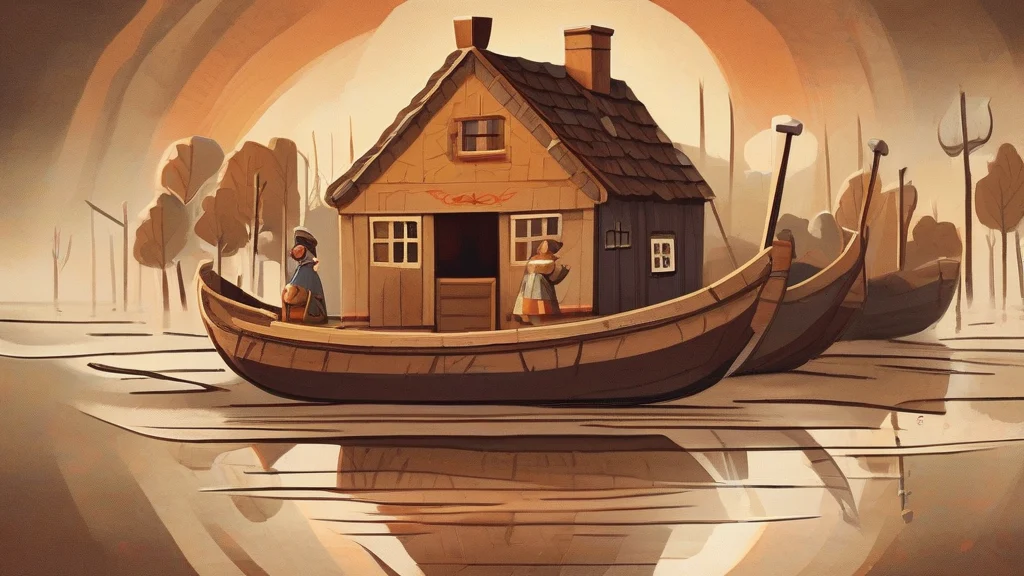
Piet is a type of Dutch folk art that originated in the Netherlands. It typically features scenes from everyday life or biblical stories, created using small pieces of wood or other materials. Piet art is highly valued for its historical significance and aesthetic appeal. The term 'piet' can also refer to a person who creates or appreciates this type of art. Piet art is often associated with traditional Dutch culture and is highly sought after by collectors. The intricate details and craftsmanship of piet pieces make them truly unique and valuable. As a result, piet art continues to be an important part of Dutch cultural heritage.
A type of Dutch folk art.
"The museum featured an impressive collection of traditional Dutch piet art."
Piet art is often associated with traditional Dutch culture and is highly valued for its historical significance and aesthetic appeal.
A person who creates or appreciates piet art.
"As a collector of folk art, he was particularly drawn to the intricate piet pieces from the Netherlands."
Piet artists are highly skilled craftsmen who are dedicated to preserving traditional Dutch art forms.
The plural form 'piets' is used to refer to multiple pieces of piet art or to describe a person who creates or appreciates this type of art.
"The local artist was known for her beautiful piet carvings, which told stories of love and loss."
Reviewed by Deb Chak, Editor. AI-assisted content curated by RJS Tech Solutions LLP.
Etymology of piet
The term 'piet' is derived from the Dutch language, where it refers to a type of folk art. The origins of piet art date back to the 17th century, when Dutch artisans began creating intricate wood carvings. Over time, piet art evolved to include a wide range of materials and techniques, but its traditional roots remain an important part of its cultural significance.
How piet is actually used
Piet art is often associated with traditional Dutch culture and is highly valued for its historical significance and aesthetic appeal.