
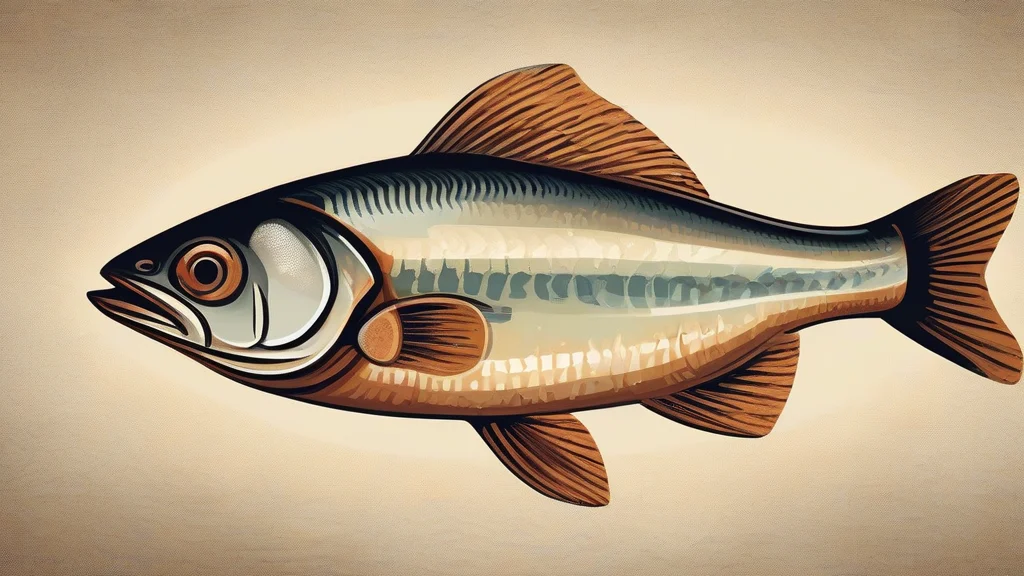
What does pilch mean?
Pilch most commonly refers to a herring or young herring, particularly one intended for eating. It is chiefly a British and regional term, and it can sound old-fashioned, literary, or traditional rather than everyday standard English. The word can also be used as a verb meaning “to steal,” a dated informal usage especially associated with British English. In older writing and menus, pilch often refers to herring prepared in a preserved or salted form. Its close relative pilchard names a different but related small fish in the herring family. Together, the culinary and idiomatic senses show how a narrow word for a familiar fish and a broader slang meaning can survive long after their most characteristic historical settings have disappeared. The word is worth knowing for reading older English, regional food writing, and British slang.
A herring or herring-like fish, especially a young herring used as food.
"The vendor displayed smoked pilches beside salt cod and mackerel."
Chiefly British and regional; often perceived as traditional or old-fashioned.
To steal something, especially a small item.
"Someone tried to pilch the shopkeeper's purse while she was distracted."
Dated informal British usage; uncommon in contemporary standard English.
The plural is pilches, although the word is chiefly regional or literary in modern English.
"The recipe calls for two smoked pilches."
Once common in British fish markets, pilch survives as a specialist food word and a piece of informal, distinctly British vocabulary.
Reviewed by Deb Chak, Editor. AI-assisted content curated by RJS Tech Solutions LLP.
Where does pilch come from?
The noun is recorded from Middle English, where pilche referred to a herring-like fish, and it continued in regional English cooking and market vocabulary. The modern noun remains especially associated with British usage. The separate verb, meaning “to steal,” belongs to informal and largely dated British English. The related English word pilchard ultimately became the more familiar standard name for a small herring-family fish, although the precise medieval development of the forms should not be treated as certain.
Related word forms
How pilch is actually used
The noun is chiefly British and regional, and may sound literary or traditional in modern English. The verb is dated, informal, and associated especially with British colloquial usage; the examples here reflect an older or historical register.
Easily confused with pilch
A pilch is a herring or young herring, while a pilchard is a small, silvery member of the herring family commonly eaten as food.