
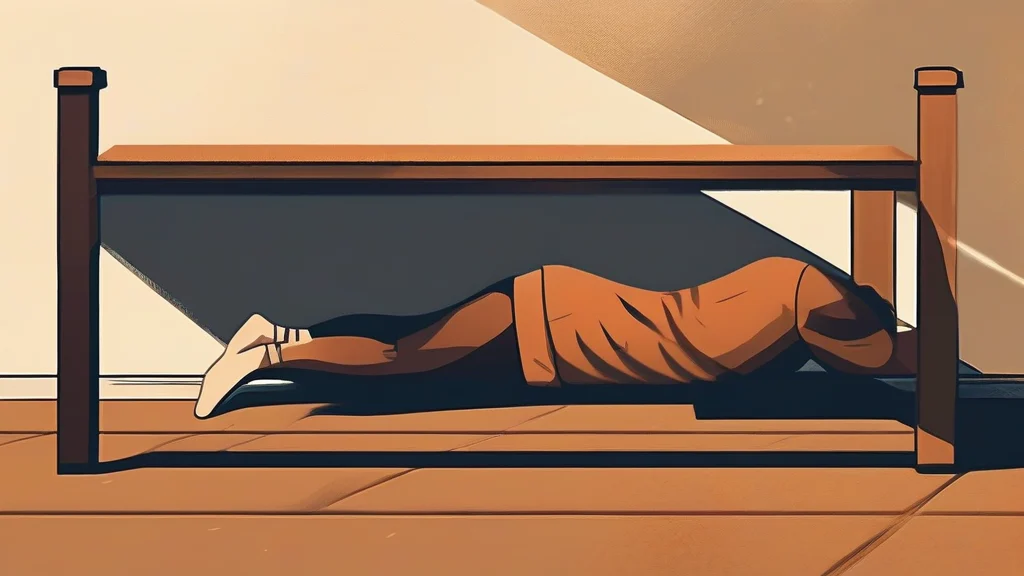
What does planking mean?
Planking usually refers to the use of long, flat boards in building floors, walls, roofs, boats, or other structures. It may describe the activity of fitting the boards, the collective material itself, or a completed surface made from them. The term can also denote a form of political protest in which people lie down in prominent locations with wooden planks fastened to their bodies. This modern protest meaning draws attention through a conspicuous, nonviolent image of people remaining in place despite barriers or official restrictions. In ordinary construction contexts, planking is practical and unremarkable, but in political reporting it carries connotations of civil disobedience, visibility, and resistance. Understanding both senses is useful because the word links the physical act of covering or reinforcing a surface with the symbolic act of making a protest impossible to ignore.
nounPlanking is the use, laying, or collective arrangement of planks as part of a structure. It can also denote a political protest in which participants lie down in a conspicuous place with planks attached to their bodies.
- The use, laying, or collective arrangement of planks in construction.
- A form of political protest in which participants lie down with planks attached to their bodies.
"The shelter was built from rough wooden planking after the storm."
"The boat's wooden planking had been repaired several times."
"Civil-rights campaigners used planking to obstruct entrances and draw attention to their demands."
Usually encountered as a mass noun; the plural is used when referring to multiple distinct instances of laying planks or separate protests.
"The archive contains photographs of several plankings staged outside government buildings."
In political protests, planking transforms an ordinary board into a conspicuous symbol of resistance.
Reviewed by Deb Chak, Editor. AI-assisted content curated by RJS Tech Solutions LLP.
Where does planking come from?
Planking is formed from the noun plank by verbal inflection. The word plank came into English through Old French plane, ultimately from Latin planus, meaning “flat” or “level”; related forms include French planche, Dutch plank, and German Planke.
Related word forms
How planking is actually used
The construction sense is neutral and technical. The political sense is more specialized and is usually associated with peaceful demonstrations in which protesters lie down in public places with planks attached to their bodies.