
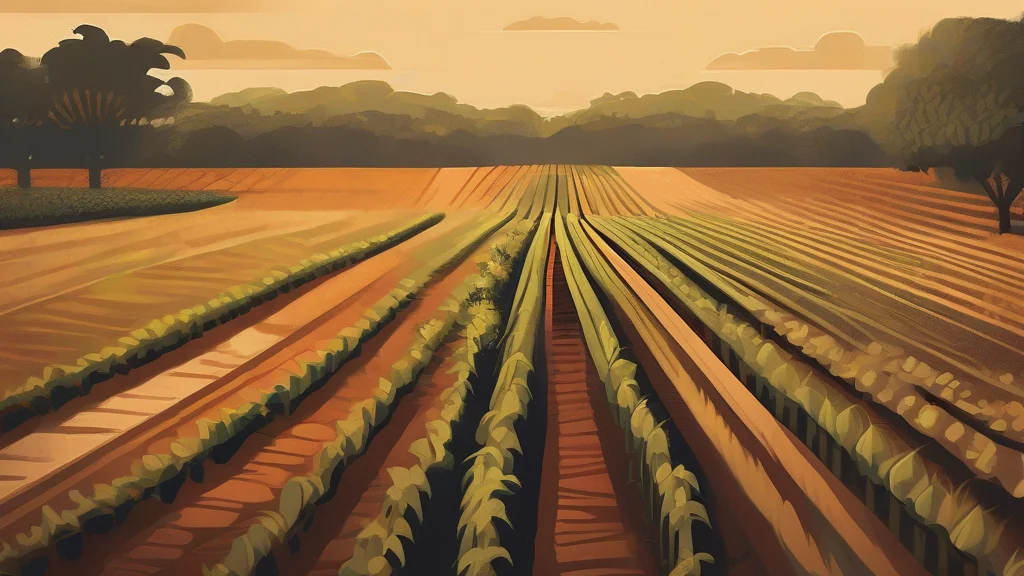
What does plantation mean?
A plantation is a large agricultural estate, especially one used to grow crops such as sugar, tobacco, coffee, or cotton. In its older sense, the word can also mean a colonial settlement established in a new region. The most important historical associations arise from plantation economies in the Americas and the Caribbean, where crops were produced through the exploitation of enslaved or otherwise coerced labor. Today, the word can be used neutrally for modern agricultural operations, though in historical, educational, and literary contexts it often signals the economic and social systems associated with colonial rule and forced labor. The term is therefore broader and more historically charged than simply “farm,” and it may evoke both agricultural production and the unequal labor relations on which some plantations depended.
nounA large estate where crops such as sugar, tobacco, coffee, and cotton are cultivated. Historically, the term also referred to a colony or settlement established in a new region, including settlements organized around forced or enslaved labor.
- An estate or tract of land devoted to growing crops, especially in a tropical or subtropical climate.
- A historical agricultural settlement or estate that used enslaved or forced labor, especially in the Americas and the Caribbean.
- A settlement or colony established in a new country or region, particularly by a colonial power.
- The act or process of planting, especially the establishment of a settlement or the cultivation of land.
"The old sugar plantation has been restored as a museum and research station."
"Visitors can tour the former plantation and learn about the lives of the enslaved people who worked there."
"She spent the summer helping to establish a small tree plantation on the family farm."
The plural is “plantations.”
"Several plantations along the coast specialized in sugar production."
From planting a crop to planting a community: “plantation” has described both a field of crops and the harsh social system built around them.
Reviewed by Deb Chak, Editor. AI-assisted content curated by RJS Tech Solutions LLP.
Where does plantation come from?
The word comes through Old French plantation, from Latin plantatio, a “planting” or “settlement,” derived from plantare, “to plant.” The English sense developed from the idea of planting land for cultivation and, by extension, a settlement established by planting a community. The modern historical sense developed through European colonial terminology, particularly in regions where large-scale plantations relied on coerced and enslaved labor.
How plantation is actually used
The word is neutral when referring to a large cultivated estate, but it often carries historical and social connotations involving colonialism, exploitation, and enslaved labor when used in discussions of the Americas, the Caribbean, and other plantation economies. “Plantation” is less common than “farm” or “estate” in many contemporary agricultural contexts.
Easily confused with plantation
A plantation is a large agricultural estate or colonial settlement, whereas a plant is an individual growing organism or a factory installation.