
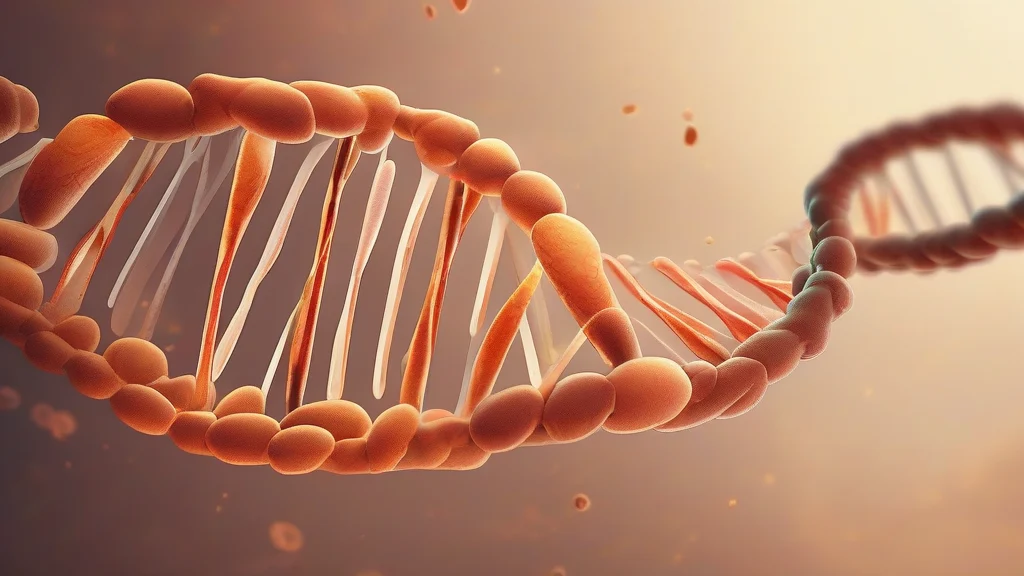
What does polymerase mean?
A polymerase is an enzyme that builds a polymer by joining smaller units, or monomers, into a long chain. In molecular biology, the best-known polymerases synthesize nucleic acids: DNA polymerases copy DNA during replication and repair, while RNA polymerases produce RNA from a DNA template. Polymerases are essential to the transmission and expression of genetic information, and their activity is also central to laboratory techniques such as the polymerase chain reaction. The word is primarily used in biochemistry, genetics, and molecular biology, where it generally denotes a specific, carefully characterized enzyme rather than a non-biological catalyst. Its importance extends beyond living systems because purified polymerases can perform controlled reactions in biotechnology, medicine, and genetic analysis.
nounAn enzyme that catalyzes the formation of a polymer by joining smaller units together, especially by adding nucleotides to DNA or RNA chains.
- An enzyme that catalyzes the joining of monomers into a polymer, especially an enzyme that synthesizes DNA or RNA.
"DNA polymerase copies the genetic material before a cell divides."
"DNA polymerase produced a copy of the gene for further analysis."
"The laboratory used a thermostable polymerase to amplify the sample through repeated heating and cooling cycles."
The regular plural is used when referring to multiple enzymes, enzyme types, or enzymes from different organisms.
"Different polymerases can synthesize DNA at different rates."
The polymerase chain reaction became possible after researchers found DNA polymerases that could survive the high temperatures used to copy DNA.
Reviewed by Deb Chak, Editor. AI-assisted content curated by RJS Tech Solutions LLP.
Where does polymerase come from?
The word was formed in the 20th century from polymer and the biochemical suffix -ase, which denotes an enzyme. It follows the same productive pattern as other enzyme names: the element before -ase identifies the substance or reaction catalyzed. The older word polymer comes from Greek polus, meaning “many,” and meros, meaning “part,” reflecting the repetition of multiple units in a polymer.
Related word forms
How polymerase is actually used
Chiefly a biochemical and molecular-biology term. The term may be modified by the kind of polymer synthesized, as in DNA polymerase and RNA polymerase, or by the material or process involved.
Easily confused with polymerase
A polymer is the resulting substance or chain of repeating units, whereas a polymerase is the enzyme that builds that chain.