
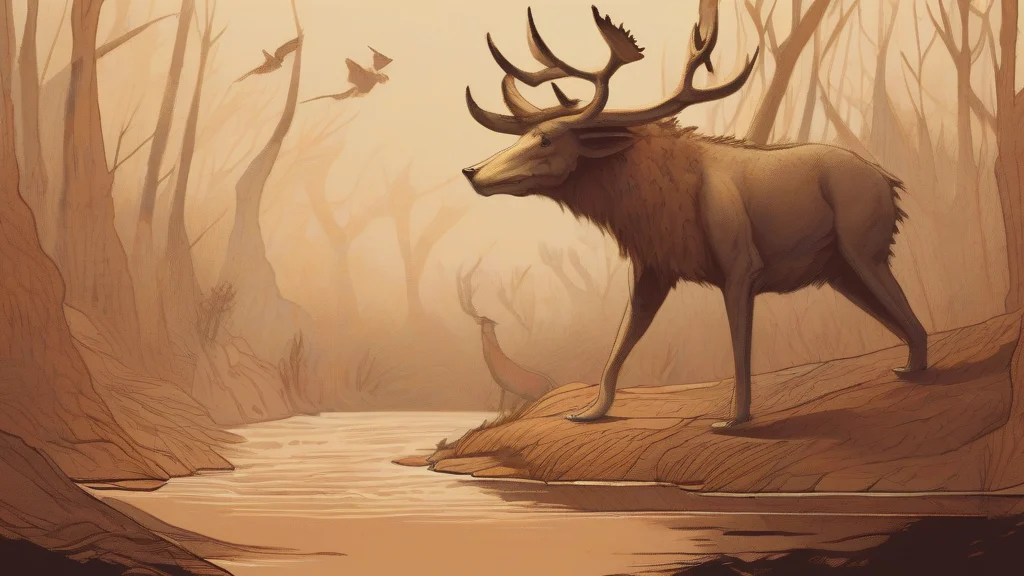
What does predation mean?
Predation names the process in which one organism hunts, captures, and kills another for food or, more broadly, for advantage. In ecology, it is one of the central interactions in food webs, alongside competition and mutualism, and it can strongly influence the size and behavior of populations. The word can also describe the exploitative treatment of people or groups, such as financial predation or political predation. Because it suggests an unequal relationship in which one party gains at another's expense, predation often carries a negative evaluative meaning outside scientific writing. It is a useful term when discussing both natural ecological systems and situations in which vulnerable people or institutions are being systematically taken advantage of.
nounThe act of hunting, capturing, and killing another organism for food or territory. The term is also used figuratively for exploitation, victimization, or the harmful treatment of a weaker group.
- The hunting, capture, and killing of one organism by another.
- The act or practice of taking advantage of, exploiting, or victimizing another person or group.
"The population decline was attributed to increased predation by wolves in the region."
"Camouflage helps many small animals avoid predation."
"The speech criticized the political exploitation that had left the community vulnerable to further predation."
The plural is uncommon in ordinary language but is used in scientific, historical, and figurative contexts.
"The report documented repeated predations against the local cooperative."
In ecology, predation is more than a dramatic hunt: it is a constant transfer of life from one organism to another, helping shape entire food webs.
Reviewed by Deb Chak, Editor. AI-assisted content curated by RJS Tech Solutions LLP.
Where does predation come from?
The word comes through French from Latin praedatio, a noun meaning “a taking as prey” or “plundering.” It is based on the Latin verb praedari, “to seize as prey,” which is also the source of the English family that includes predator, predatory, and predate. The meaning developed from the general sense of plundering to a more specific ecological sense for the hunting and killing of prey.
Related word forms
How predation is actually used
In biology, the term is standard and technical. In general discussion, it is formal and often implies exploitative or predatory behavior, especially when applied to people, organizations, or financial practices.