
What does preserve mean?
Preserve means to keep something safe, unchanged, and available for future use. The word is especially useful when describing the protection of objects, traditions, environments, historical buildings, or information from damage, loss, or change. “Preserve the environment,” for example, suggests protecting natural systems for the long term, while “preserve the evidence” emphasizes maintaining something so its condition or authenticity can be assessed later. The verb can also mean to retain food by preventing spoilage, as in preserves made from fruit. Although preserve and reserve sound similar, they have different meanings: reserve means to hold something back or keep it available, whereas preserve focuses on protection from harm, alteration, or decay. The word’s broad range of uses makes it valuable whenever an object or practice has cultural, historical, scientific, or practical value.
To keep something in its existing or original condition, or protect it from damage, loss, or alteration.
"The museum is working to preserve the painting for future generations."
Common in formal, professional, and general contexts; often used with traditions, buildings, natural environments, evidence, and important information.
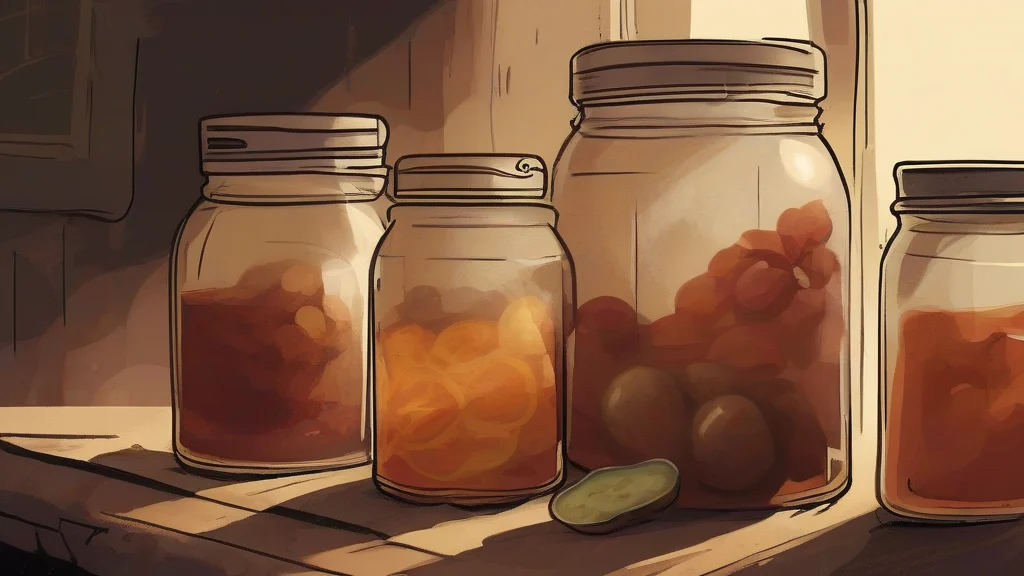
A food preparation, especially of fruit, preserved by cooking with sugar; in the plural, preserves can refer to such preserved foods generally.
"We served peach preserves with warm biscuits."
When referring to a single preparation, the singular preserve is common; the plural preserves is often used for a category of preserved fruit.
Used especially for fruit preserves or preserved foods; the singular preserve can also mean one such preparation.
"She brought jars of preserves to the market."
From Latin praeservare, preserve literally means “to keep safe beforehand”—a word for protecting something before harm or loss reaches it.
Reviewed by Deb Chak, Editor. AI-assisted content curated by RJS Tech Solutions LLP.
Where does preserve come from?
Preserve comes from Latin praeservare, formed from prae- “before” and servare “to keep safe, preserve, or save.” It entered English through Old French preserver, with the modern form becoming established in the Middle English period. Latin words such as reserve and deserve belong to the same broader servare family, showing the long-standing English relationship between keeping, saving, and setting aside.
Related word forms
How preserve is actually used
Preserve is widely used in formal and informal contexts. In computing, data preservation and file preservation refer to keeping information accessible and intact. As a noun, a preserve is usually a fruit preparation, while the plural preserves can mean fruit preserves more generally.
Easily confused with preserve
Preserve means to keep something safe or unchanged, whereas reserve means to hold something back for later use or to keep something available.
Preserve means to keep or protect something, while presume means to suppose something is true or to take a liberty without proof.