
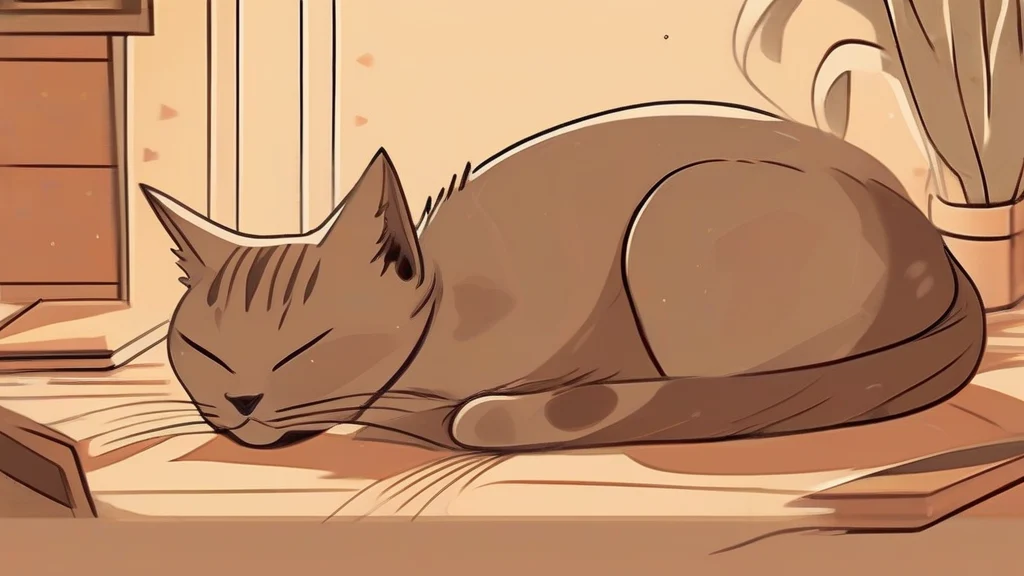
What does purr mean?
To purr is to make a low, continuous, vibrating sound, most famously the sound of a contented cat. The verb is also used figuratively for a person expressing pleasure, as in “She purred with delight,” and for machines or vehicles producing a similar rumbling noise, such as a well-running engine. As a noun, a purr is the sound itself, as in “The cat’s purr filled the quiet room.” Purr is especially associated with feline companionship and domestic comfort, and writers use it to create a warm, intimate, or playful atmosphere. Although purring is often linked with happiness, cats can also purr when they are anxious, frightened, in pain, or seeking food or attention, so the sound should not always be treated as proof that a cat is relaxed.
To make a low, continuous rumbling sound, especially as a cat does; to express contentment in this way; or to make a similar sound.
"The kitten purred when it heard the sound of the food cupboard opening."
The verb is natural for cats and is also used figuratively for people, engines, and vehicles.
A low, continuous rumbling sound, especially that made by a contented cat.
"She listened to the soft purr of the sleeping cat."
Usually used in the singular for one continuous sound, while individual purrs or purring episodes can be counted with “purrs.”
Usually refers to individual purring episodes or distinct low rumbling sounds; the common expression is “a cat's purr.”
"The cat's purrs became steadier as it fell asleep."
A cat's purr is a low, rhythmic signal often associated with contentment, but cats may also purr when they are stressed, injured, or asking for attention.
Reviewed by Deb Chak, Editor. AI-assisted content curated by RJS Tech Solutions LLP.
Where does purr come from?
The word purr is of uncertain origin. It appears in English in the early 19th century, probably as an imitative word formed to represent the low rumbling sound made by a cat. The verb developed both a literal sense for making that sound and figurative senses for expressing contentment or producing a similar mechanical noise.
Related word forms
How purr is actually used
The verb is commonly used for cats, but it can figuratively describe machines, vehicles, and people making a similar low sound. In animal behaviour, purring can occur in contexts other than contentment, including fear, pain, or solicitation.