
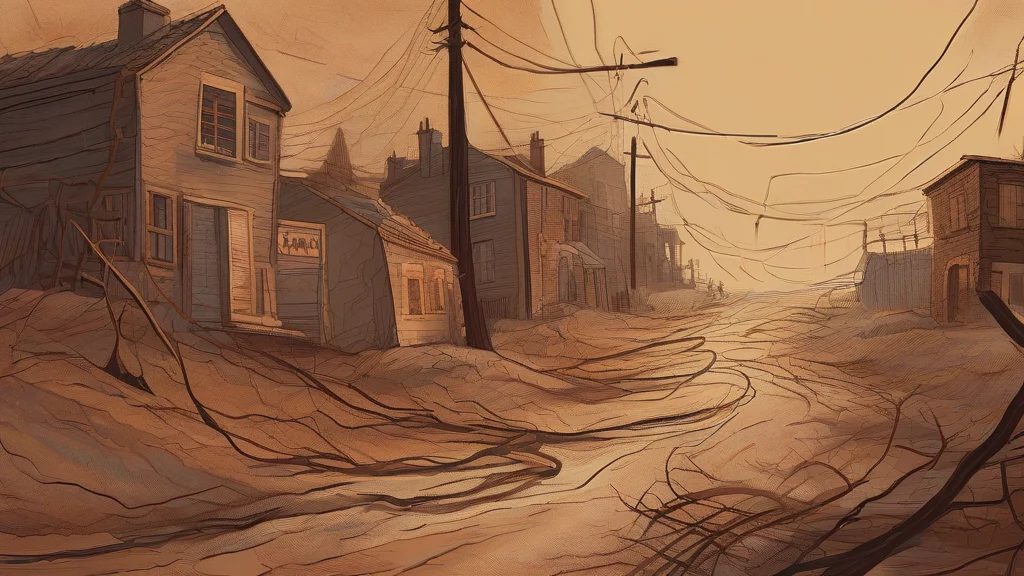
What does raveled mean?
Raveled is chiefly an adjective and the past tense or past participle of the verb ravel. In its most familiar sense, it describes something physically tangled, matted, or frayed, as with loose yarn or a damaged hem. It can also describe a plan, argument, or situation that has become confused or disordered: an inconvenience that seemed manageable can become a raveled mess. The verb form is less common in everyday use and can describe material becoming tangled or frayed; historically, ravel could also mean to disentangle, which explains the existence of unravel with the opposite meaning. Raveled is the standard American spelling, while British English traditionally uses ravelled. The word is useful because it captures both physical disarray and the figurative loss of coherence, although its figurative sense is somewhat more literary than tangled or disorganized.
Tangled, matted, or frayed; figuratively, confused or disordered.
"He tried to follow the raveled thread through the crowded market."
The figurative sense is established but generally more literary than straightforward terms such as tangled, confused, or disordered.
As the past tense or past participle of ravel, it describes becoming tangled or frayed; in older usage, it can also describe being disentangled.
"The sweater's cuff raveled after repeated washing."
This verb form is relatively uncommon compared with the adjective.
One ravel can turn a neat plan into a raveled mess—and, in older English, the same word could also mean “unravel.”
Reviewed by Deb Chak, Editor. AI-assisted content curated by RJS Tech Solutions LLP.
Where does raveled come from?
Ravel entered English in the early 17th century as the Middle English verb ravelen, meaning “to tangle, entangle, or complicate,” borrowed from Old French raveler. It belongs to a word family that includes ravel and the prefixed opposite unravel. The ultimate origin of the Old French word is uncertain, so claims about a more remote linguistic source should be treated cautiously.
Related word forms
How raveled is actually used
The word is especially natural for tangled or frayed fabric and yarn. Its figurative use for a confused plan, story, or situation is established but somewhat literary. “Raveled” is the usual American spelling, while British English traditionally favors “ravelled.”
Easily confused with raveled
A raveled thread or argument is tangled or confused, whereas an unraveled one has been disentangled or clarified.