
What does rearm mean?
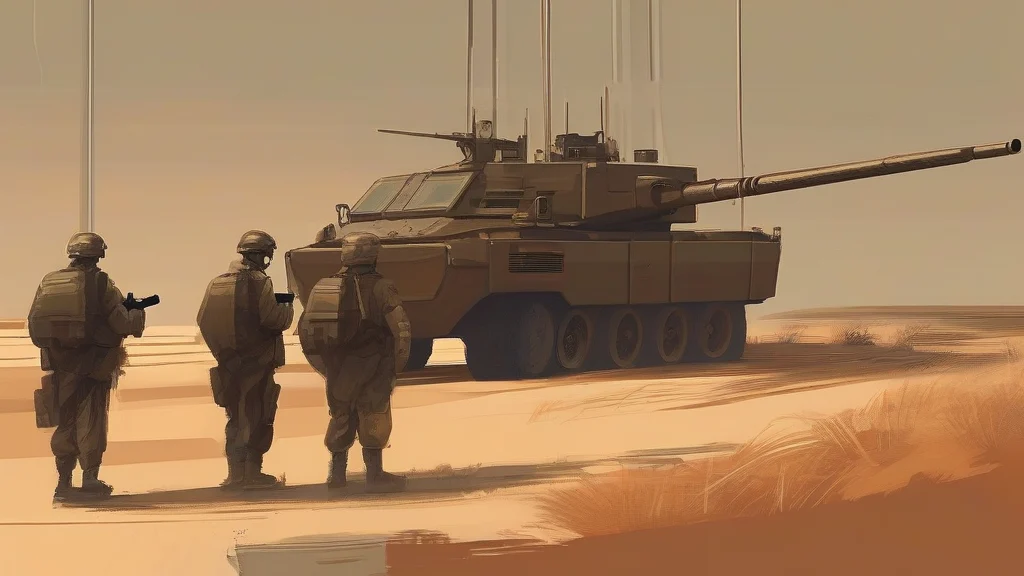
Rearm means to arm or equip again, usually by restoring weapons and military capability that had been reduced or removed. The word is especially common in discussions of defense policy, armed forces, security, and international relations: a government may rearm its troops, rearm a border patrol, or rearm after an agreement has limited its military capacity. In broader figurative use, rearm can mean preparing to resist difficulty or compete again, as when an organization rearm itself with resources or a stronger strategy. Unlike disarm, which is its most direct counterpart, rearm emphasizes renewed readiness and the restoration of force. It is a fairly formal word and is less usual in everyday conversation than words such as equip or prepare. Its distinctive historical form is also a useful reminder that the word literally means “to arm again.”
verbTo arm or equip again, especially to restore weapons or military capability. It can also mean to prepare to resist or compete again.
- To equip or arm again, especially by supplying weapons or restoring military capability.
- To restore the ability or readiness to act, resist, or compete again.
"The government agreed to rearm the border guards with updated protective equipment."
"The treaty restricted the country’s ability to rearm its forces."
"After a period of uncertainty, the club rearmed itself with new players and an ambitious strategy."
To rearm is not merely to carry a weapon again: it means to rebuild the power and readiness needed to face danger.
Reviewed by Deb Chak, Editor. AI-assisted content curated by RJS Tech Solutions LLP.
Where does rearm come from?
Rearm was formed in English by combining the prefix re-, meaning “again,” with arm, meaning to equip with weapons or to provide with arms. The underlying English word arm comes through Old French arme from Latin arma, “arms” or “weapons,” and related forms such as armament, disarm, and unarmed continue that Latin inheritance.
Related word forms
How rearm is actually used
Most often used in military, political, or security contexts. The figurative sense is less common but can describe the restoration of power, confidence, or competitive ability.