What does reoccupation mean?
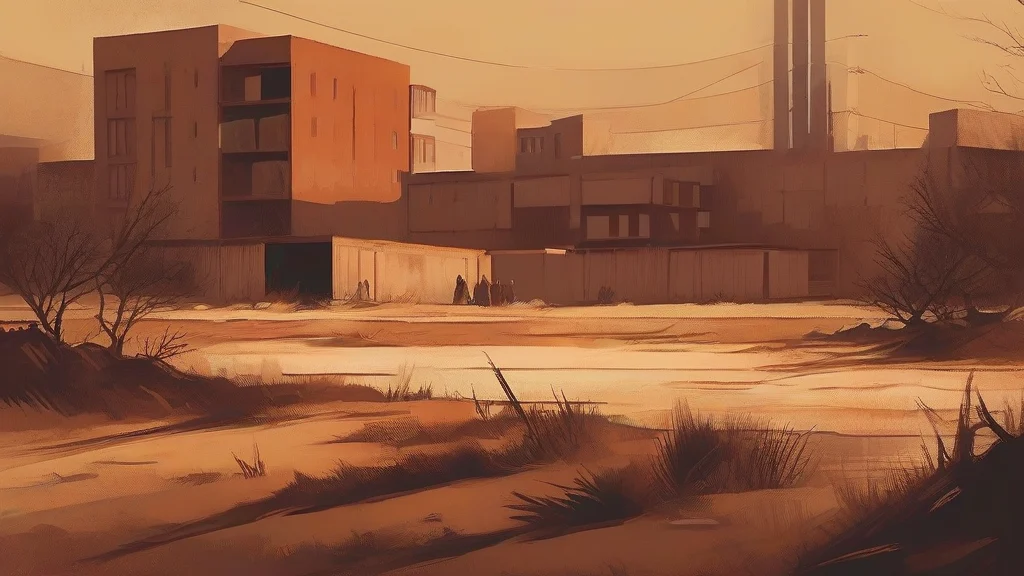
Reoccupation refers to the act of occupying or taking possession of something again, often after a period of absence or abandonment. This can be a physical return to a place, or a symbolic return of a community or culture to a previously abandoned or marginalized space. The concept of reoccupation is often associated with revitalization, renewal, and reconciliation. In the context of urban planning, reoccupation can refer to the reuse of abandoned buildings or spaces, while in the context of indigenous rights, reoccupation can refer to the return of native peoples to their ancestral lands. The term reoccupation is often used in conjunction with other words such as reinhabitation, reentry, and recapture, which all convey the idea of reclaiming or repossessing something that has been lost or abandoned. Overall, reoccupation is a powerful concept that highlights the importance of community, culture, and the need for people to return to and reclaim their spaces.
The act of occupying or taking possession of something again, often after a period of absence or abandonment.
"The reoccupation of the abandoned factory was a major milestone in the city's revitalization efforts."
Reoccupation can refer to the physical return of people to a place, or the symbolic return of a community or culture to a previously abandoned or marginalized space.
To occupy or take possession of something again, often after a period of absence or abandonment.
"The company will reoccupy the office space after the renovations are complete."
Reoccupy can be used in the present or past tense, and is often used in conjunction with other verbs such as 'reclaim' or 'recapture'.
The plural form reoccupations is used to describe multiple instances of reoccupation, such as 'the reoccupations of the abandoned buildings'.
"The reoccupations of the abandoned buildings were a major focus of the city's revitalization efforts."
Reviewed by Deb Chak, Editor. AI-assisted content curated by RJS Tech Solutions LLP.
Etymology of reoccupation
The word reoccupation is derived from the prefix 're-' meaning 'again' or 'anew', and the verb 'occupy' meaning 'to take possession of'. The term has its roots in the 15th century, when it was used to describe the act of occupying or taking possession of land or property again. Over time, the term has evolved to encompass a broader range of meanings, including the symbolic return of a community or culture to a previously abandoned or marginalized space.
How reoccupation is actually used
Reoccupation can refer to the physical return of people to a place, or the symbolic return of a community or culture to a previously abandoned or marginalized space.