
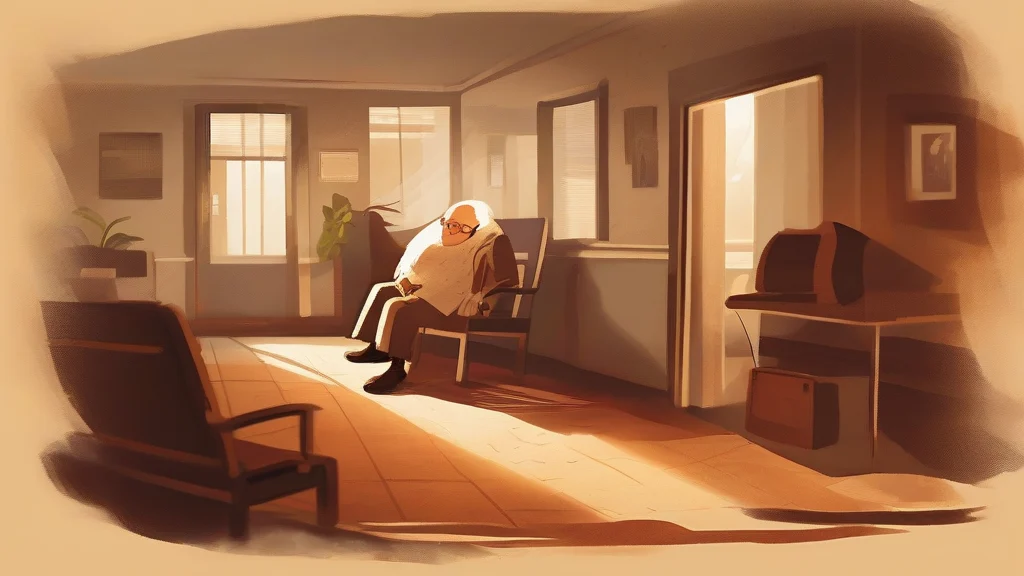
What does retiring mean?
Retiring has two broad uses. As an adjective, it describes a person who is quiet, modest, self-effacing, or reluctant to attract attention. The word can be approving, as when someone is praised for having a retiring nature, but it may also imply excessive reserve. “Retiring” can also refer to a person who is leaving employment, office, or another public role, as in “the retiring mayor,” or to an event connected with that departure. In this institutional sense, it marks a final transition rather than work that has already ended, so it differs from “retired,” which describes someone who has already left a role. As a verb form, retiring is the present participle of “retire” and indicates withdrawal in progress. The word ultimately comes through French from a Latin verb based on trahere, “to draw or pull,” with the prefix re-, suggesting drawing something back.
Reserved, modest, or unwilling to attract attention; inclined to withdraw from public notice.
"Despite her retiring disposition, she became an influential figure in the movement."
Often complimentary when describing modesty or self-effacement, though it can imply excessive shyness.
About to leave an occupation, office, or public position.
"The retiring minister will remain available to advise the incoming government."
This use marks an impending departure and is especially common in professional, political, and institutional contexts.
The present participle of retire: withdrawing from active work, public life, or a position.
"After serving three terms, she is retiring from the municipal council."
A present participle used with auxiliary verbs such as “is,” “was,” or “has been.”
A retiring leader leaves office, but a retiring personality seems to fade into the background even when the spotlight is calling.
Reviewed by Deb Chak, Editor. AI-assisted content curated by RJS Tech Solutions LLP.
Where does retiring come from?
The word comes from Old French retirer, meaning “to withdraw” or “to pull back.” It was borrowed into Middle English in the late medieval period. French retirer was formed from re-, meaning “back,” and Latin retrahere, a combination of re- and trahere, “to draw or pull.” The same Latin root underlies cognates such as extract, retract, and contract.
Related word forms
How retiring is actually used
In its personal sense, retiring is often complimentary but can suggest shyness or excessive reserve. In occupational and political contexts, it is standard for someone who is about to leave a position. As a verb form, retiring can describe an action in progress rather than its completion.
Easily confused with retiring
Retired means no longer working in an occupation or holding an official role, whereas retiring can describe someone who is about to leave a position or who is naturally reserved and withdrawn.