
What does revved mean?
Revved is the past tense and past participle of rev, a verb meaning to increase an engine’s speed or power. It is often used when an engine is made to roar, accelerate, or run at high speed, as in “she revved the motorcycle.” The word can also describe an increase in excitement, energy, or activity, usually in the expression “revved up.” This figurative use suggests enthusiasm, momentum, or heightened intensity rather than literal mechanical motion. Revved is informal but widely understood in British and American English, especially in conversation about cars, motorcycles, racing, and other powered machinery. Its form is rev–revved–revving, and its vivid sound makes it effective for describing the sudden burst of energy produced by both engines and enthusiastic crowds.
verbRevved is the past tense and past participle of rev. It describes increasing the speed of an engine, and figuratively, intensifying excitement, activity, or performance.
- To increase the speed of an engine, especially by operating its accelerator.
- To become or make something more excited, energetic, or intense, typically in the phrase revved up.
"The mechanic revved the engine and listened for any unusual sounds."
"The rider revved the motorcycle before pulling away from the curb."
"The crowd revved up as the opening ceremony began."
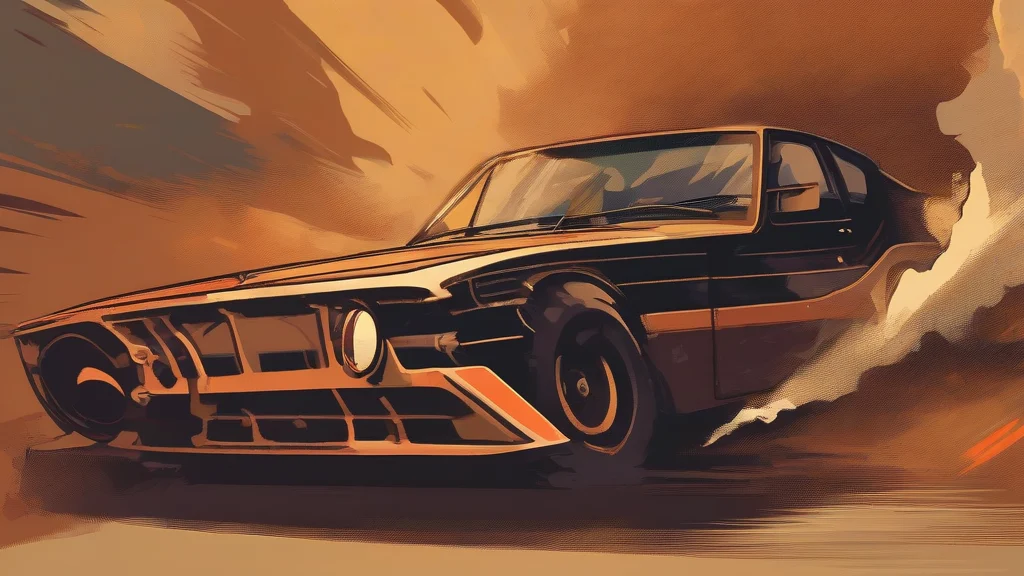
Revved captures the instant when a quiet engine suddenly comes alive with a dramatic surge of power.
Reviewed by Deb Chak, Editor. AI-assisted content curated by RJS Tech Solutions LLP.
Where does revved come from?
The word derives from rev, an English shortening of revolution. The underlying roots are Latin, where revolver means “to turn back” or “to roll back,” giving rise to words such as revolve, revolution, and revolver. Rev was especially established in motoring and racing language before becoming the short, familiar verb used today.
Related word forms
How revved is actually used
The word is informal and especially associated with vehicles and engines. Figurative uses, particularly revved up, are common in speech and informal writing.