
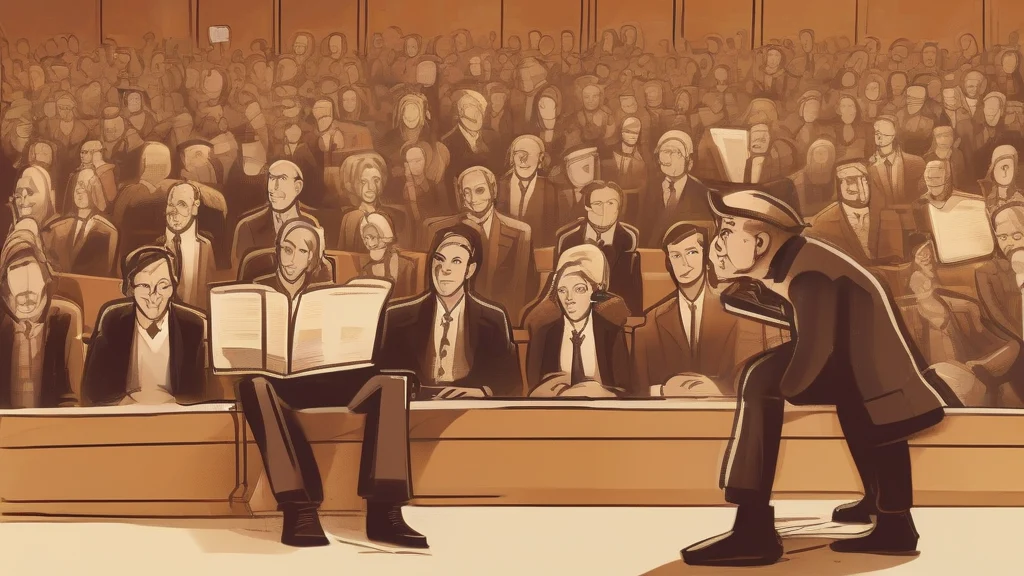
What does rhetoric mean?
Rhetoric is the art and practice of using language to communicate effectively, persuade an audience, or make an argument memorable. In its positive sense, it refers to techniques such as clear organization, thoughtful appeals, repetition, contrast, and figurative language. In contemporary criticism, “rhetoric” can also suggest language that sounds persuasive or impressive without being equally convincing in substance. The term is common in education, politics, law, and literary criticism, where speakers and writers are evaluated for the ways they frame and present their ideas. Mastering rhetoric does not mean using ornament for its own sake; rather, it means choosing language and techniques suited to an audience and purpose. In everyday use, “political rhetoric” and “public rhetoric” usually refer to the language used by prominent speakers, while “rhetorical questions” and other expressions use the related adjective.
The art of effective and persuasive speaking or writing.
"He studied rhetoric before addressing the council."
Often used in educational, political, legal, and literary contexts.
Language intended to persuade, impress, or influence, especially in a public or political context.
"The campaign was criticized more for its rhetoric than for its policies."
Often carries a critical connotation when the language is considered exaggerated or lacking substance.
The plural is used especially for distinct rhetorical traditions, styles, or approaches, as in 'the rhetorics of the civil-rights movement.'
"The book compares the rhetorics of several major political movements."
Rhetoric is the art of making language work in your favor: what sounds convincing, persuasive, or memorable often reveals more about technique than truth.
Reviewed by Deb Chak, Editor. AI-assisted content curated by RJS Tech Solutions LLP.
Where does rhetoric come from?
The English word comes through Latin and French from Greek rhētor, meaning “orator” or “speaker.” The Greek term is associated with the practice and teaching of persuasive public speaking. Over time, rhetoric came to mean not only the art of persuasion but also the language and devices used to influence an audience.
Related word forms
How rhetoric is actually used
In general use, rhetoric often suggests effective or persuasive expression. In critical contexts, especially phrases such as 'empty rhetoric,' it can imply impressive language that lacks meaningful content.
Easily confused with rhetoric
Rhetoric is the art or practice of effective persuasion, whereas rhetorical is an adjective describing language or arguments that use persuasive techniques.