
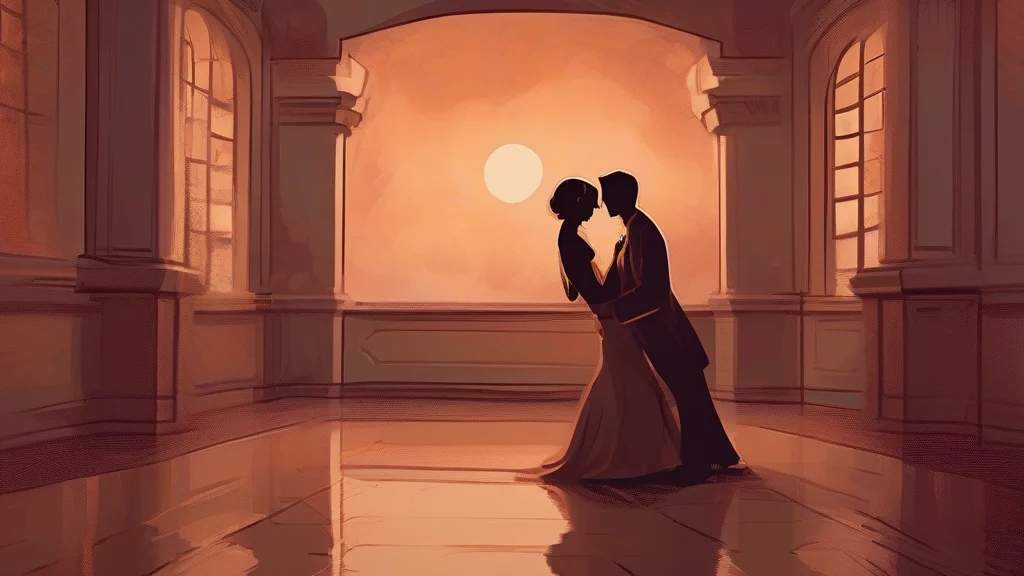
What does romantic mean?
Romantic describes things characterized by love, affection, emotional intensity, or an idealized view of life. It often appears in expressions such as romantic relationship, romantic gesture, and romantic interest, where it indicates tenderness or passionate feeling. The word can also be used critically: calling someone or something romantic may suggest an outlook that is sentimental, impractical, or based on an unrealistic picture of events. In art and cultural history, Romantic refers to the late eighteenth- and early nineteenth-century movement associated with emotion, imagination, nature, and individual experience. Its history also includes a medical meaning, from the earlier term for nervous or emotional disorders, which helps explain the word’s association with heightened feeling. In everyday English, romantic most commonly evokes love and affectionate gesture, but its meaning can shift from warm approval to gentle criticism depending on context.
Characterized by love, affection, emotional intensity, or idealized passion; also relating to the artistic ideals of the Romantic period.
"The couple exchanged a romantic letter every week."
In criticism, the word can imply that something is overly sentimental or idealistic.
A person who is influenced by romantic ideas, emotions, or ideals; historically, a member or adherent of Romanticism.
"The young romantics rejected the constraints of conventional society."
This noun use is less common than the adjective and is often literary or historical.
Plural form is used for people characterized by romantic views or conduct, especially in literary or historical contexts.
"The romantics believed that imagination could transform everyday life."
The word “romantic” carries a double life: it can describe a love story or signal the artistic rebellion associated with the Romantic period.
Reviewed by Deb Chak, Editor. AI-assisted content curated by RJS Tech Solutions LLP.
Where does romantic come from?
The word entered English in the early seventeenth century in the sense of exciting or overwhelming emotion, especially nervous excitement, and initially related to medical ideas about emotional sensitivity. By the eighteenth century it had developed senses associated with love and idealized passion. The later artistic sense arose from Romanticism, the movement named in the late eighteenth century; the movement’s name was based on the broader Romance-language and romantic ideas of imagination and emotion.
How romantic is actually used
The adjective is widely used in both formal and informal contexts. In its critical sense, it can imply that an idea or portrayal is overly idealized, exaggerated, or impractical. The historical sense is normally capitalized when referring specifically to the Romantic period or movement.
Easily confused with romantic
Romantic describes an individual, thing, or work characterized by romantic feelings or ideals, whereas Romanticism refers to the wider artistic and intellectual movement of the late eighteenth and early nineteenth centuries.
Romance refers to a love relationship or a literary genre, while romantic is usually an adjective describing something characterized by love, emotion, or idealized passion.