
What does rustication mean?
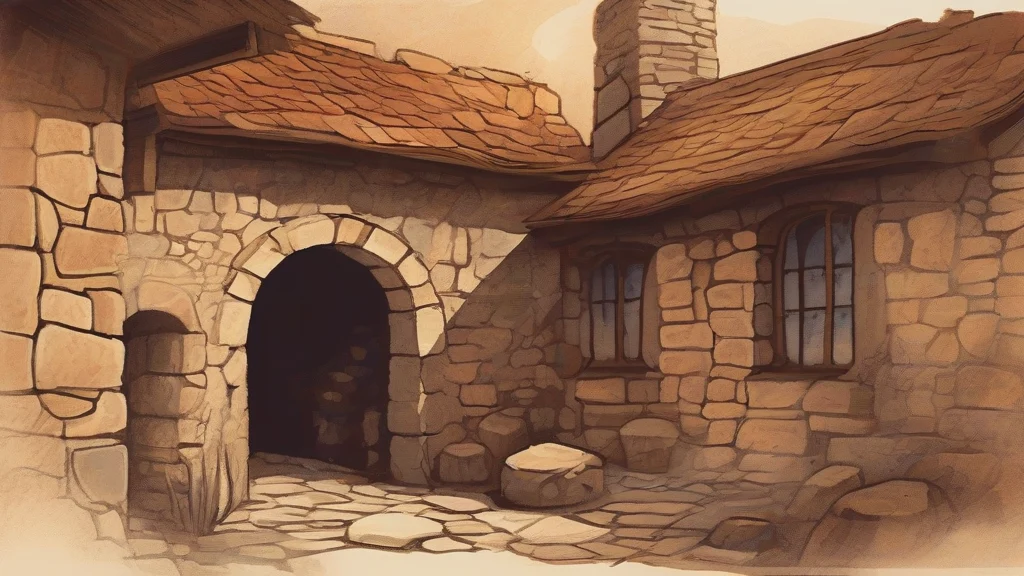
Rustication is chiefly an architectural term for giving masonry a rough, strongly textured appearance. Builders achieve this by leaving the faces of stone blocks uneven, making the joints deeply recessed, or allowing blocks to project slightly from the wall. Such treatment often appears on the lower storeys of important buildings, where it conveys solidity and defence, while smoother masonry may be used above. Rustication also has an older literary meaning: withdrawal from urban life in order to live in the countryside. In this sense, it suggests a deliberate retreat from society, business, or the crowded conditions of town life. Although this usage now sounds literary or historical, the architectural sense remains current in architectural writing and heritage descriptions. The word is especially useful because it names not roughness in general but a specific way of shaping and articulating masonry.
A masonry treatment characterized by roughened block faces, projecting stones, or strongly emphasized joints.
"The palace is distinguished by rustication around its windows and entrances."
Common in architectural description, especially of classical, Renaissance, and revival architecture.
Withdrawal from town or city life to live in the countryside.
"He spent several months in rural retirement before returning to public life."
Literary, archaic, or historical in modern English.
Plural forms are uncommon because the word is normally used in specialist architectural or literary contexts.
"The guide describes several distinctive rustications on the building's lower façade."
Rustication can make a polished building look deliberately rough, as though each stone block were carved for strength rather than elegance.
Reviewed by Deb Chak, Editor. AI-assisted content curated by RJS Tech Solutions LLP.
Where does rustication come from?
Rustication comes from Latin rusticatio, a noun formed from rusticus, meaning "of the countryside" or "rural." The same Latin word also contributed to English words such as rustic and rustically, while the broader root is related to rus, meaning "country" or "countryside." Rustication developed both its architectural sense and its older sense of rural withdrawal through the long-standing contrast between town and country.
Related word forms
How rustication is actually used
The architectural sense is technical but standard in descriptions of historic buildings. The sense involving withdrawal to the countryside is literary and now uncommon; it should not be confused with the modern technical use of "rustification" in software engineering.
Easily confused with rustication
Rustic is primarily an adjective meaning characteristic of the countryside; rustication is a noun naming a masonry treatment or, historically, withdrawal into rural life.