
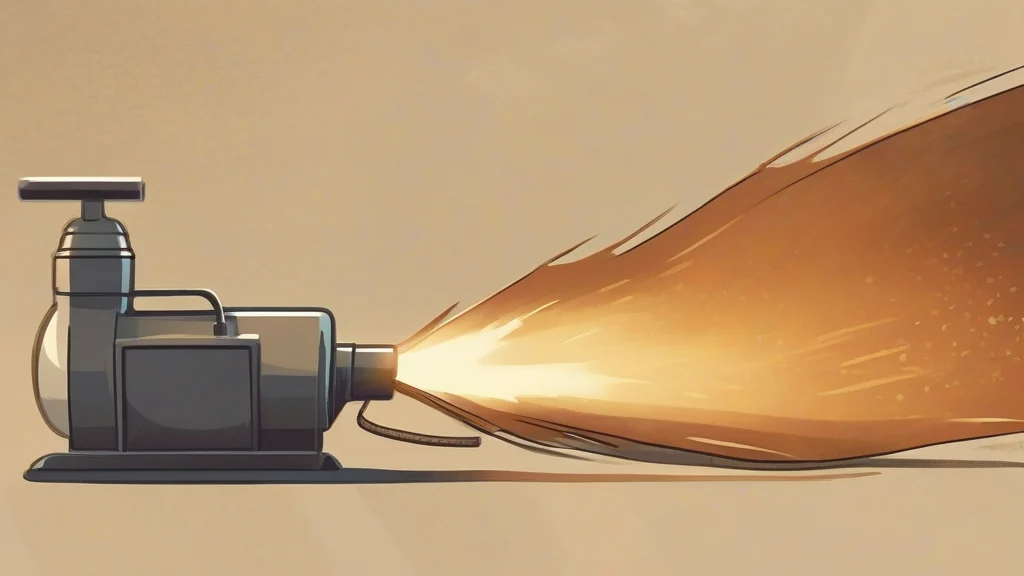
What does sandblaster mean?
A sandblaster is a device that directs abrasive sand at a surface, usually to remove paint, rust, dirt, or an old finish, or to prepare the surface for further treatment. It can also add a rough texture or engraved pattern to materials such as metal, stone, and glass. The machine works by forcing sand through a nozzle at high speed, so the operator must use protective equipment and follow appropriate safety procedures. Although the word commonly refers to the equipment, it can also mean the person operating it. The term is common in construction, manufacturing, ship maintenance, restoration, and conservation work, where controlled surface cleaning and preparation are essential. It is more technical and specific than simply “blaster,” and in modern industrial usage the broader term “abrasive blasting” may be preferred when the abrasive is not ordinary sand.
nounA sandblaster is a machine or device that projects abrasive sand at a surface to clean it, remove paint or rust, smooth it, or create a textured or engraved finish. The term can also refer to a person who operates such a device.
- A machine or device that projects abrasive sand at a surface for cleaning, surface preparation, texturing, or engraving.
- A person who operates a sandblaster.
"The contractor used a sandblaster to remove the old paint from the steel bridge."
"A powerful sandblaster prepared the metal panels before they were painted."
"She works as a sandblaster in a restoration workshop."
The plural is standard but less common in ordinary writing; it is used when referring to multiple machines or workers.
"Several sandblasters were used to prepare the ship hull."
A sandblaster turns ordinary sand into a precision tool, using flying abrasive grains to clean, texture, or mark a surface.
Reviewed by Deb Chak, Editor. AI-assisted content curated by RJS Tech Solutions LLP.
Where does sandblaster come from?
The word is a compound formed from the English words “sand” and “blast,” with the occupational or instrumental suffix “-er.” “Sand” is an old English word for the fine granular material, while “blast” originally referred to a strong rush of air or a forceful blowing action. The compound developed in the context of industrial and construction processes in which sand was projected at high speed against surfaces. Its later meaning for the person operating the equipment follows the common English pattern of adding “-er” to name the user or worker of a machine.
Related word forms
How sandblaster is actually used
The word is most often used for the equipment and is also used for the worker. In technical contexts, “abrasive blasting” is a broader term that includes methods using materials other than sand.