
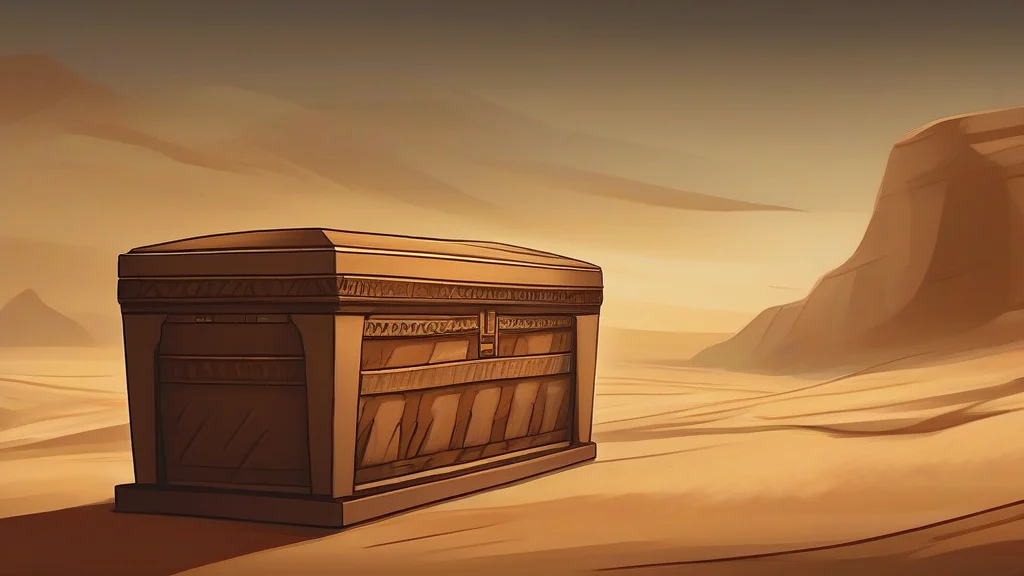
What does sarcophagus mean?
A sarcophagus is a large, usually stone container made to hold the body of a deceased person, especially an important individual in ancient Greece or Rome. Such coffins were often decorated with carved figures, inscriptions, or scenes from mythology, and a complete example could function as a substantial memorial or monument. The word is consequently associated with archaeology, classical antiquity, grand funerals, and the remains of rulers or other notable figures. In ordinary modern usage, “coffin” is the general term for a container for a dead body, while “sarcophagus” more specifically suggests an ancient or monumental stone structure. It is therefore a useful word when precision matters: describing a decorated Roman burial coffin as a sarcophagus conveys more historical and visual detail than calling it simply a coffin.
nounA large, often elaborately decorated stone coffin, especially one made for an important person in ancient Greece or Rome. More generally, it may refer to a monumental tomb or burial chamber.
- A large stone coffin, especially one used for burial in ancient Greece or Rome.
"The museum displayed an intricately carved sarcophagus that had been discovered in a Roman villa."
"The archaeologist examined the symbols carved across the sarcophagus."
"In the novel, the protagonist discovers the body of a forgotten king beneath a sealed sarcophagus."
Both plural forms are standard; “sarcophagi” is particularly common in historical and archaeological writing.
"Several stone sarcophagi were discovered beneath the basilica."
The word comes from Greek for “flesh-eater,” an astonishing description for a stone coffin whose lid was once mistaken for a table for dining the dead.
Reviewed by Deb Chak, Editor. AI-assisted content curated by RJS Tech Solutions LLP.
Where does sarcophagus come from?
The English word comes through Latin from Greek σαρκοφάγος, literally “flesh-eater.” Its Greek elements combine σάρξ, “flesh,” with φαγεῖν, “to eat,” originally describing a coffin that consumes the body placed inside it. The same Greek root survives in words such as sarcophagous and in the phag- element seen in phagocyte and phagocytosis.
Related word forms
How sarcophagus is actually used
The word is chiefly historical or archaeological. In modern English, it generally suggests an ancient, unusually elaborate burial container rather than an ordinary coffin.
Easily confused with sarcophagus
A coffin is the general term for a container for a dead body, whereas a sarcophagus is typically a substantial stone coffin, often monumental and decorated.